About
About Contact
Washington’s latest move against Havana: Raúl Castro faces charges
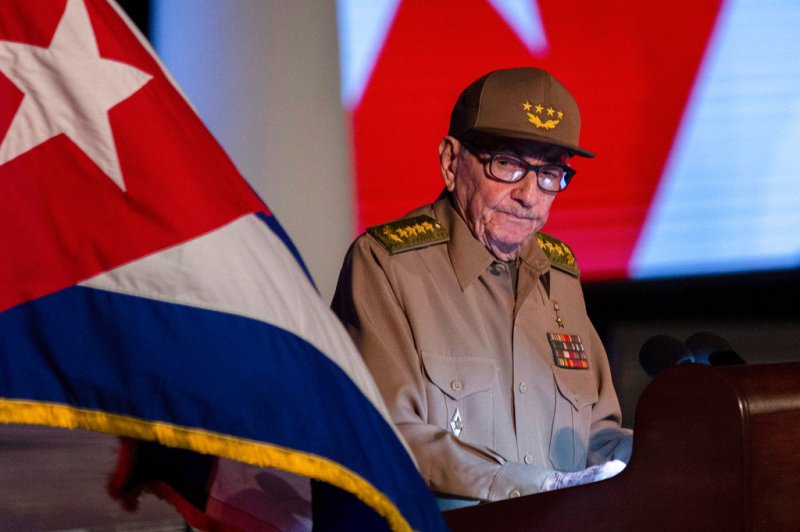


The United States has filed criminal charges against former Cuban leader Raúl Castro in connection with the 1996 shooting down of two civilian airliners that resulted in four deaths.
According to “Stabil.az,” US Deputy Attorney General Todd Blanche, speaking from Miami’s Freedom Tower on May 20, described the indictment as a “historic moment.”
The case against the 94-year-old Castro is based on the 1996 incident involving two aircraft operated by the Cuban exile group Brothers to the Rescue.
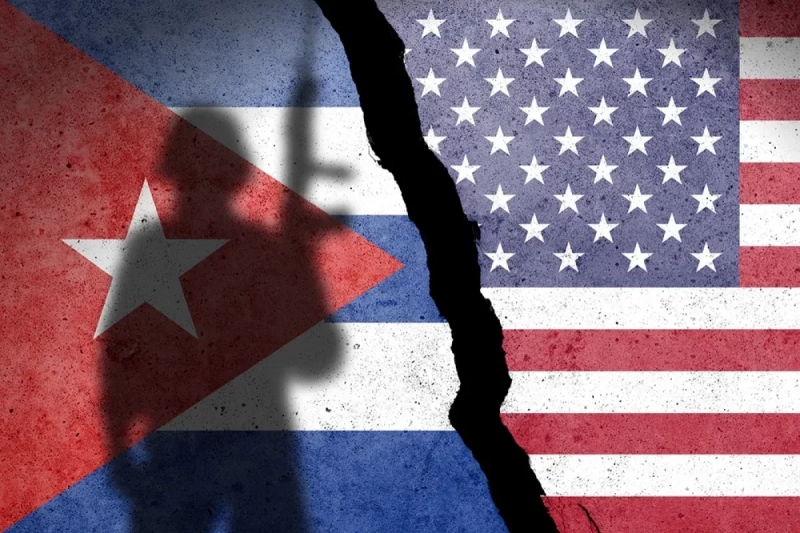
However, critics argue that the indictment forms part of a broader neocolonial strategy aimed at increasing US influence over Cuba through sanctions, economic pressure, and diplomatic isolation.
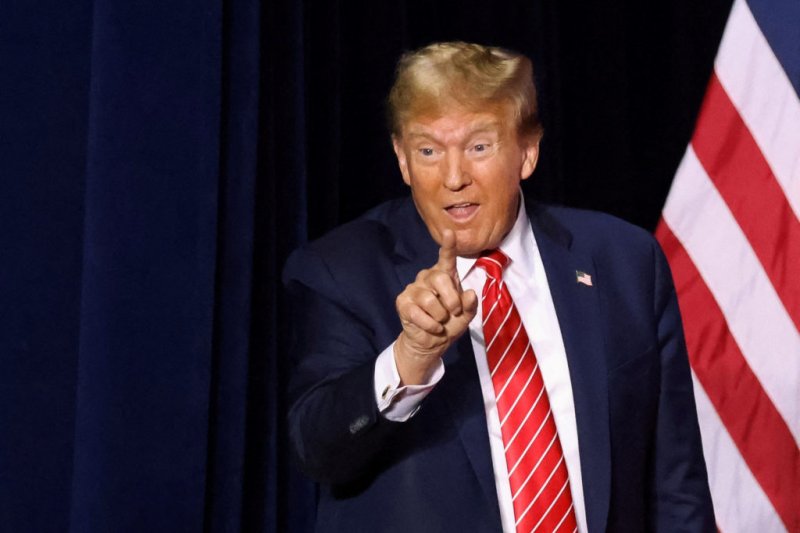
The United States has maintained a trade embargo on Cuba since the 1960s — the longest-running embargo in modern history. In January, US President Donald Trump suspended financial flows and fuel shipments between Venezuela and Cuba, further intensifying economic tensions. He later threatened additional sanctions against any country supplying fuel to Cuba, effectively tightening restrictions on the island’s external energy supply. Cuba’s aging infrastructure remains heavily dependent on oil imports, and the country has since experienced nationwide power outages, deepening an already severe economic crisis.
Raúl Castro, who stepped down as president in 2018, has remained one of the most influential political figures in Cuba following the death of his brother Fidel Castro in 2016. The Castro brothers were central leaders of the 1959 Cuban Revolution, which brought the island under communist rule.
Since the US allegedly “abducted” Venezuelan President Nicolás Maduro in January and Washington took control of Venezuela’s oil industry, the US has reportedly renewed focus on Cuba, calling for regime change and economic reforms. President Trump has also suggested the possibility of US military intervention if its demands are not met.
Who is Raúl Castro?
Born in 1931, Raúl Castro played a key role alongside his older brother Fidel in the uprising that overthrew US-backed leader Fulgencio Batista.
He later helped repel the US-supported Bay of Pigs invasion in 1961 and became one of the leading figures of the Cuban Revolution.
Castro served as Cuba’s Minister of the Armed Forces from 1959 to 2008, making him one of the longest-serving defense ministers in the world. He was also a member of the Communist Party Politburo from 1965 to 2021.
He succeeded Fidel Castro as head of state in 2008 and remained in office until 2018, though he retained significant political influence after stepping down.
During his presidency, Raúl Castro oversaw a temporary thaw in relations with Washington under US President Barack Obama. He stated in a 2008 interview:
“The American people are among our closest neighbors. We must respect each other. We have never harbored any grudge against the American people. A good relationship would be mutually beneficial. We may not be able to solve all our problems, but we can solve a large part of them.”
In 2013, Raúl Castro and Barack Obama shook hands at a memorial service for Nelson Mandela in Johannesburg. In 2014, both governments announced plans to restore diplomatic relations and reopen embassies after more than five decades of hostility.
In 2016, Obama became the first sitting US president in 88 years to visit Cuba, marking a historic moment in bilateral relations.
However, relations deteriorated again during Donald Trump’s first presidential term. In 2019, Washington imposed sanctions on Castro and banned him from entering the United States, citing Cuba’s support for Nicolás Maduro’s government in Venezuela and alleged human rights violations.
What is Castro accused of?
Raúl Castro is accused of conspiracy to kill US citizens (one count), murder (four counts), and destruction of an aircraft (two counts).
At the time of the 1996 incident, he was serving as defense minister when Cuban forces shot down two planes belonging to the Miami-based exile group Brothers to the Rescue.
Four people were killed in the incident: Carlos Costa, Armando Alexandre Jr., Mario de la Peña, and Pablo Morales.
The Brothers to the Rescue group stated that it conducted reconnaissance flights over the Florida Straits to locate Cuban migrants attempting to leave the island and that it frequently flew near Cuban airspace.
Cuba, however, maintained that the aircraft were shot down in response to repeated violations of its sovereign airspace. Fidel Castro stated that the military acted under “valid orders” to intercept aircraft entering Cuban territory, while Raúl Castro insisted that he did not personally order the attack.
Washington condemned the incident and imposed sanctions, but no senior Cuban officials were prosecuted at the time. In 2003, the US Department of Justice indicted three Cuban military officers in connection with the case, though none were extradited.
The International Civil Aviation Organization (ICAO) later concluded that the aircraft were shot down in international waters.
Additional context
Media reports have suggested that Trump had considered political changes in Cuba’s leadership structure, including the removal of current president Miguel Díaz-Canel.
Although the Trump administration did not publicly name a preferred successor, reports indicated that Washington had explored contacts with individuals linked to the Castro family, including Raúl Castro’s grandson, Raúl “Raulito” Rodríguez Castro, and his son, Alejandro Castro Espín.
Stay updated with the latest news Follow us on Google Subscribe
-
 28 SEP 2026 17:58
 -
 28 SEP 2026 17:25
 -
 28 SEP 2026 16:36
 -
 28 SEP 2026 15:52
 -
 28 SEP 2026 15:16
 -
 28 SEP 2026 14:49
 -
 28 SEP 2026 14:22
 -
 28 SEP 2026 13:58
 -
 28 SEP 2026 13:36