About
About Contact
UK elections test PM Starmer as Labour faces major setbacks
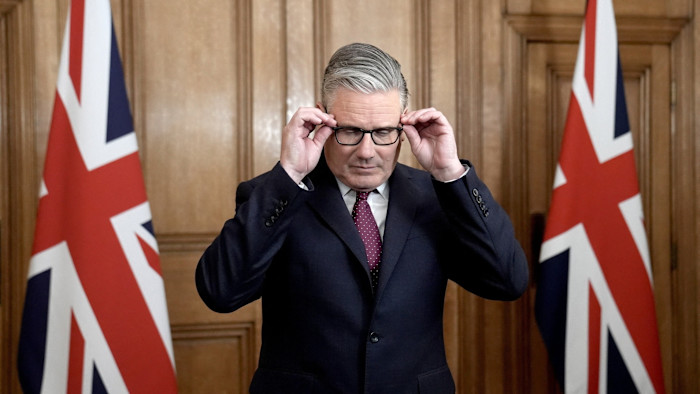


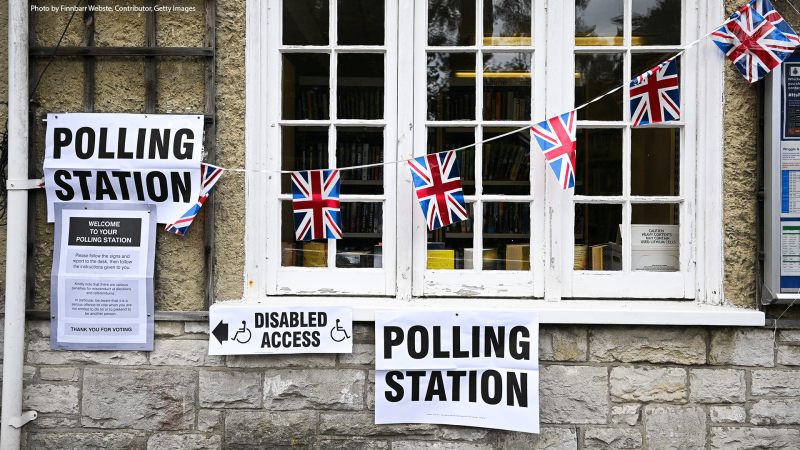
Local elections are being held across the United Kingdom today, including elections for local councils in England, as well as for the Scottish Parliament (Holyrood) and the Welsh Parliament (Senedd).
According to Stabil.az, forecasts from the Election Centre at the University of Exeter predict significant setbacks for England’s two main political parties — the ruling Labour Party and the opposition Conservatives.
Analysts estimate that Labour could lose around 1,425 council seats, while the Conservatives may lose approximately 907 seats. Labour currently controls 2,557 seats in local councils, while the Conservatives hold 1,362. Following the elections, those numbers are expected to fall to 1,132 and 455 seats respectively across England’s largest local government structures.
At the same time, experts predict major gains for Reform UK, which is forecast to secure an additional 1,352 seats, bringing its total to 1,355. The Green Party is also expected to strengthen its position with gains of 555 seats for a total of 696, while the Liberal Democrats are projected to gain 393 seats and reach 1,077 overall. In Scotland and Wales, regional nationalist parties are expected to maintain or expand their influence.
The elections in England involve 136 local authorities, including all 32 London boroughs, 32 metropolitan boroughs, 18 unitary authorities, six county councils, and 48 district councils. Voters will also elect six directly chosen mayors who lead local councils. Overall, 5,066 seats are being contested.
Traditionally, elections at every level in Britain were dominated by competition between Labour and the Conservatives. In recent years, however, the right-wing populist Reform UK party led by Nigel Farage has steadily expanded its support base. The party has focused heavily on combating illegal immigration, pledging to implement a “zero tolerance” approach toward people entering Britain illegally. Reform UK has also promised that, if it wins the next general election in 2029, it would establish a dedicated Ministry of Deportation.
Regional political parties continue to play a major role in Scotland and Wales. Elections in both nations use a mixed voting system in which some representatives are chosen in single-member constituencies while others are elected through party lists.
Scotland is currently governed by the Scottish National Party (SNP), which supports Scottish independence from the United Kingdom. Following the 2021 election, the SNP held 64 out of 129 seats in Holyrood, ahead of the Conservatives with 31 seats and Labour with 22. Since 2024, the Scottish government has been led by SNP leader John Swinney. According to YouGov projections, the SNP is expected to win 62 seats in the current election, leaving it three seats short of an outright majority. Reform UK is forecast to emerge as the second-largest force with 19 seats, followed by Labour with 17, the Greens with 16, the Liberal Democrats with eight, and the Conservatives with seven.
In Wales, the Senedd consists of 60 seats. After the 2021 election, Labour held 30 seats, while the Conservatives had 16. Plaid Cymru, the Welsh nationalist party advocating greater independence from the United Kingdom, held 13 seats, and the Liberal Democrats controlled one. Wales, like Scotland, has its own devolved government headed by a first minister. Since 2024, that role has been occupied by Welsh Labour leader Eluned Morgan.
The key question now is what impact poor local election results could have on Labour and British Prime Minister Keir Starmer.
Political observers say the elections are likely to serve as a reflection of Labour’s current popularity and Starmer’s standing among voters. However, unlike national elections, local contests tend to revolve more around regional concerns such as roads, infrastructure, public services, and education rather than broader national issues.
Labour returned to power in July 2024 with a commanding parliamentary majority, winning 411 out of 650 seats in the House of Commons. Yet recent polling suggests the party’s popularity has declined sharply. According to Politico data published at the end of April, Labour’s support has fallen to 17%, placing the party fourth nationally. Reform UK leads with 25%, while both the Greens and Conservatives stand at 18%. By comparison, during the July 2024 general election campaign, Labour’s support stood at 34%, while Reform UK had 17% and ultimately secured eight parliamentary seats.
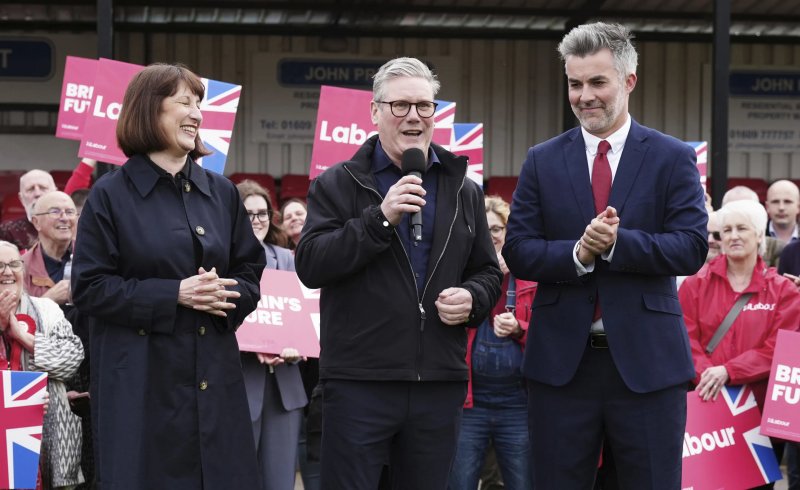
As a result, Labour’s approval rating has effectively been cut in half in under two years. Polling by YouGov indicates that 70% of Britons believe Starmer is performing poorly as prime minister, while only 22% view his leadership positively.
Analysts argue that Starmer’s government has appeared inconsistent on several key policies. His proposed reforms to the social security system faced resistance from Labour lawmakers themselves, forcing him to retreat from the initiative. Critics also point to migration policy, noting that illegal crossings of the English Channel by small boats continue despite government promises to reduce them.
Some observers claim Starmer has already made as many as 14 major political reversals during his time in office. Experts believe Labour is unlikely to call an early general election because party leaders understand they would risk a heavy defeat. Instead, some analysts suggest Labour could eventually remove Starmer from leadership in the same way the Conservatives replaced previous party leaders. However, they also note that there is currently no obvious successor within Labour.
Forecasts suggest Reform UK is continuing the upward trend it has demonstrated over the past several years. The party’s strong performance in England’s local elections has positioned Nigel Farage’s movement as one of the country’s leading political forces in 2025.
Although some experts do not rule out the possibility that Reform UK could eventually become Britain’s governing party — potentially paving the way for Farage to become prime minister — analysts caution that such predictions remain premature. The next general election is not scheduled until 2029, and Britain’s political landscape could change considerably before then.
Stay updated with the latest news Follow us on Google Subscribe
-
 28 SEP 2026 17:58
 -
 28 SEP 2026 17:25
 -
 28 SEP 2026 16:36
 -
 28 SEP 2026 15:52
 -
 28 SEP 2026 15:16
 -
 28 SEP 2026 14:49
 -
 28 SEP 2026 14:22
 -
 28 SEP 2026 13:58
 -
 28 SEP 2026 13:36