About
About Contact
Middle East conflict expands across the region
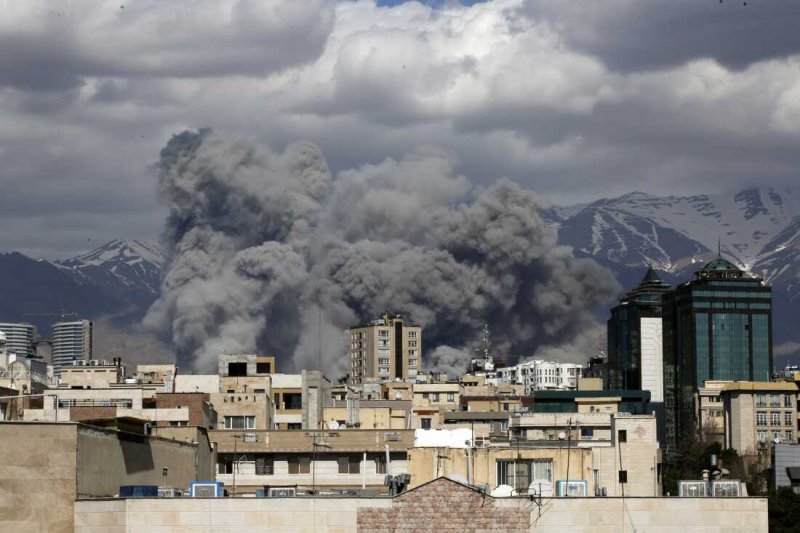


On the fourth day of the large-scale military operation launched by the United States and Israel against Iran, the geography of the conflict is continuing to expand as Tehran broadens the scope of its retaliatory strikes.
According to Stabil.az, Iran carried out a series of combined attacks on March 2 targeting infrastructure and diplomatic facilities across the Gulf region. Among the reported targets were energy facilities in Saudi Arabia and Qatar, as well as the building of the U.S. diplomatic mission in Kuwait, signaling a widening regional dimension to the confrontation.
Hezbollah joins the escalation
During the night of March 2, Hezbollah in Lebanon, one of Iran’s key regional allies, attempted to demonstrate solidarity with Tehran and launched strikes against Israel for the first time since 2024.
In response, the Israel Defense Forces (IDF) launched an offensive operation in Lebanon, focusing primarily on the leadership of the Hezbollah movement. According to Israeli reports, a precision strike on a residence in Beirut killed several senior Hezbollah commanders. Among those killed was Mohammed Raad, chairman of the group’s parliamentary faction.
Following the incident, the Lebanese government announced that any military activity by Hezbollah would be prohibited, attempting to prevent further escalation within the country.
Israeli Defense Minister Israel Katz warned that Hezbollah would face severe consequences for joining the conflict. He also stated that the organization’s Secretary General Naim Qassem, whom Israel accuses of opening a new front under pressure from Iran, had already become a potential target.
Tehran rejects negotiations
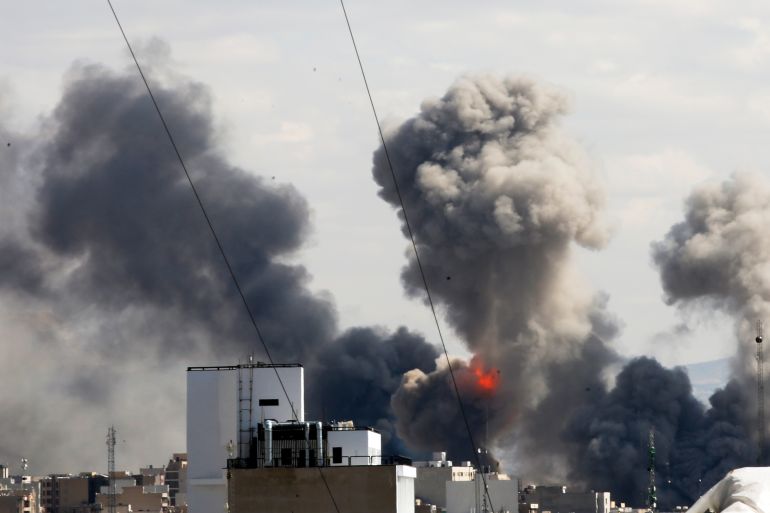
Despite significant damage and casualties caused by U.S. and Israeli airstrikes, Iran has shown no indication that it intends to de-escalate or enter negotiations.
Iranian officials dismissed earlier claims by U.S. President Donald Trump that Tehran was seeking talks with Washington. On March 2, Ali Larijani, Secretary of Iran’s Supreme National Security Council, wrote on the social network X that Iran would not negotiate with the United States under current conditions.
Iran changes tactics in retaliatory strikes
Israeli military officials also reported that the nature of Iran’s retaliatory attacks had changed. According to the IDF command, the first two days of Iran’s response were characterized by chaotic and indiscriminate strikes against various targets across the Middle East.
However, by March 2, Tehran appeared to shift toward more coordinated and carefully planned operations, focusing on strategic facilities.
The Islamic Revolutionary Guard Corps (IRGC) later announced that it had expanded the scale of its attacks. Iranian sources initially claimed that missiles had struck the office of Israeli Prime Minister Benjamin Netanyahu, but this information was later proven to be inaccurate.
Similarly, earlier reports alleging that Iranian missiles had hit the U.S. aircraft carrier Abraham Lincoln were not confirmed.
Strikes hit U.S. and Gulf infrastructure
Despite some disputed claims, Iranian strikes have caused damage to several facilities across the region.
On March 2, the U.S. embassy complex in Kuwait was reportedly hit and sustained damage during an Iranian attack. A day earlier, three U.S. F-15 fighter jets were shot down over Kuwait; however, later reports indicated that the aircraft had been mistakenly targeted by Kuwaiti air defense systems during active combat operations. All six pilots aboard the aircraft successfully ejected and survived.
Iranian attacks have also affected energy infrastructure in the Persian Gulf. Saudi Arabia’s state oil giant Aramco temporarily suspended operations at its Ras Tanura refinery after Iranian missiles struck the facility. Meanwhile, Qatar confirmed that installations belonging to QatarEnergy in the industrial city of Ras Laffan had also been targeted.
Saudi Arabia urges restraint
Amid the escalating conflict, Saudi Arabia has reportedly urged neighboring Gulf states to avoid retaliatory actions that could further inflame tensions.
According to sources cited by the Qatari outlet Middle East Eye, Riyadh warned Bahrain, Kuwait, Qatar and the United Arab Emirates against steps that might provoke additional Iranian attacks or trigger retaliation by Tehran’s regional allies.
One source said the kingdom fears that any escalation could provide Iran with a pretext to activate allied armed groups operating across the Middle East.
War may last several weeks
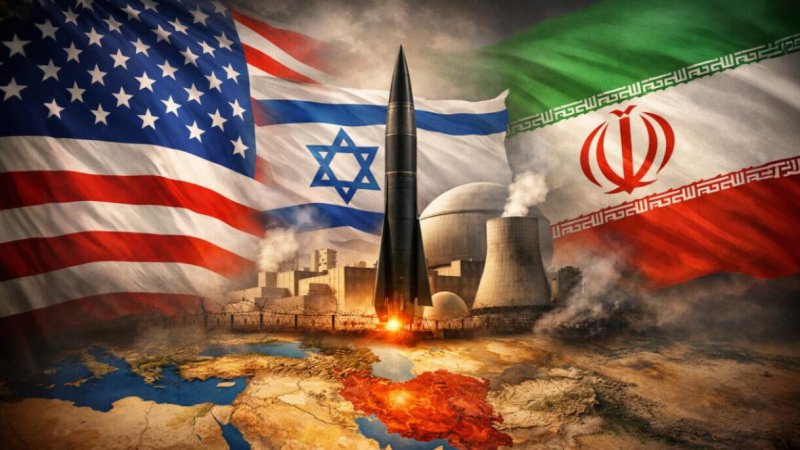
Military analysts believe the joint U.S.–Israeli operation against Iran could continue for an extended period.
President Donald Trump has revised earlier estimates of the conflict’s duration, suggesting the war could last four to five weeks. He noted that the United States maintains substantial ammunition reserves stored in various locations around the world.
The U.S. Central Command (CENTCOM) reported that more than 20 types of weapons systems were used in the strikes against Iran. These included B-2 Spirit stealth bombers, F-22 and F-35 fighter jets, EA-18G Growler electronic warfare aircraft, and MQ-9 Reaper unmanned aerial vehicles.
The Pentagon described the campaign as the largest concentration of U.S. military firepower in the region in decades, adding that several unspecified “special capabilities” were also employed during the operations.
Concerns over long-term resources
Despite the scale of the military deployment, U.S. defense officials have expressed doubts about whether current ammunition stockpiles in the region would be sufficient for a prolonged conflict.
According to military assessments, two to three interceptor missiles may be required to neutralize a single ballistic missile launched from Iranian territory. As the conflict drags on, this could place increasing pressure on U.S. defensive resources.
Analysts warn that the longer the fighting continues, the greater the risk that U.S. and allied missile defense systems could become strained, potentially opening the door to further escalation across the Middle East.
Stay updated with the latest news Follow us on Google Subscribe
-
 28 SEP 2026 17:58
 -
 28 SEP 2026 17:25
 -
 28 SEP 2026 16:36
 -
 28 SEP 2026 15:52
 -
 28 SEP 2026 15:16
 -
 28 SEP 2026 14:49
 -
 28 SEP 2026 14:22
 -
 28 SEP 2026 13:58
 -
 28 SEP 2026 13:36