About
About Contact
Azerbaijan’s role in reviving trade relations in the South Caucasus
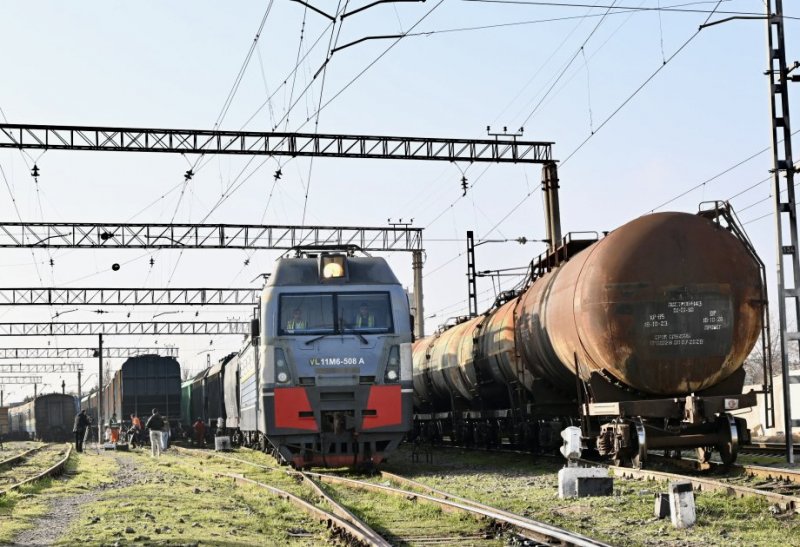


On February 1, another shipment of Russian grain was dispatched to Armenia by rail via Azerbaijan. After transiting Azerbaijani territory, the train—carrying 1,746 tons of grain—will proceed to Georgia and then onward to Armenia’s Dalarik station. To date, a total of 285 wagons transporting 19,900 tons of grain have been sent from Russia to Armenia through Azerbaijan.
The first consignment of Russian wheat reached Armenia on November 5, 2025, followed by Kazakh wheat three days later, on November 8. These deliveries marked a historic milestone: the first direct railway transportation from Russia through Azerbaijan—or via Azerbaijan to Georgia and then Armenia—in 35 years. This development became possible after Azerbaijan lifted all restrictions on cargo transit to Armenia that had been in place since the period of occupation. Azerbaijani President Ilham Aliyev announced this decision on October 21 last year during his visit to Kazakhstan.
According to Stabil.az, the movement of grain-laden trains from Russia to Armenia through Azerbaijan represents a significant development, signaling that transport and logistics cooperation in the region has entered a new phase. While the step may appear purely economic at first glance, it carries broader geopolitical, regional, and peace-related implications. For the South Caucasus—a region long shaped by conflict and confrontation—such transit operations serve as tangible evidence of emerging new realities.
In recent years, Azerbaijan has increasingly positioned itself as the region’s primary transport and logistics hub. Located at the crossroads of the East–West and North–South international transport corridors, the country benefits economically from rising transit volumes while simultaneously enhancing its geoeconomic influence.
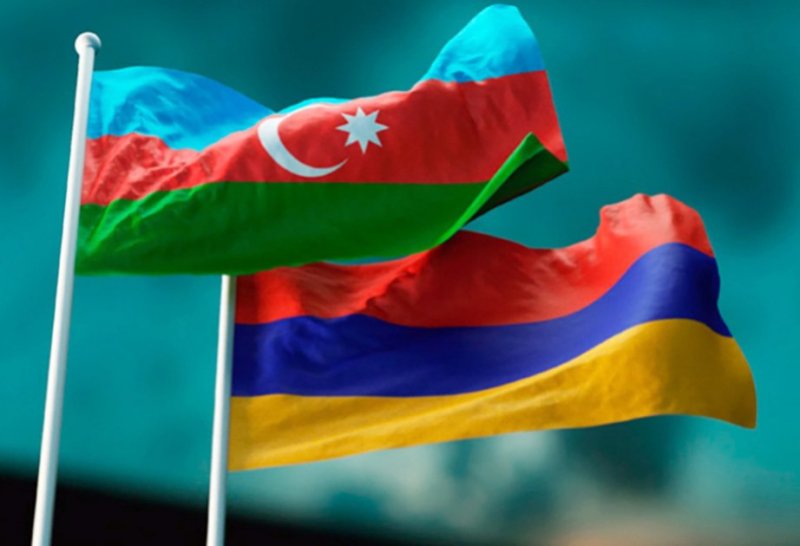
The transport of strategically important commodities such as grain underscores that this process is neither incidental nor ad hoc, but rather deliberate and systematic. Moreover, such shipments foster long-term cooperation by deepening economic interdependence among regional states.
Following the lifting of transit restrictions, Armenia has entered a period of relative economic easing. Importing grain from Russia via Azerbaijani territory represents a more favorable option for Armenia, both economically and logistically. Years of exclusion from regional transport links significantly increased Armenia’s transportation costs and constrained its development opportunities. The railway route through Azerbaijan is shorter, safer, and more cost-effective.
This positive dynamic, driven by Azerbaijan, also contributes to broader regional economic integration. Grain transported from Russia to Armenia through Azerbaijani territory is not merely a sign of technical cooperation among the three countries; it also reflects a reconfiguration of economic relations in the South Caucasus. The process enables the region to evolve not only as an energy and security space, but also as a trade and logistics platform.
Viewed through the lens of peacebuilding, these shipments carry both symbolic and practical significance. After decades of conflict, the establishment of direct or indirect economic ties plays a crucial role in building trust. By facilitating this transit, Azerbaijan demonstrates its openness to regional cooperation—cooperation grounded in international law, mutual respect for sovereignty, and territorial integrity.
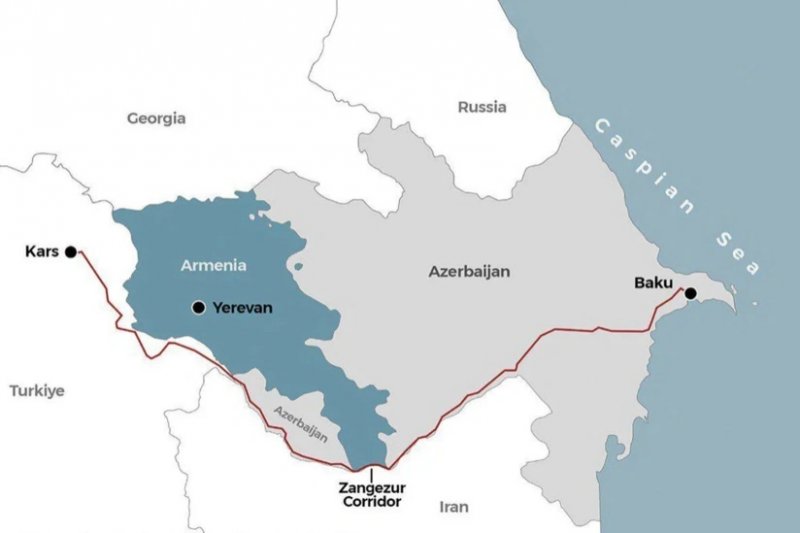
At the same time, these developments create a more constructive backdrop for negotiations on a peace treaty. Concrete examples of economic cooperation help ensure that political agreements do not remain merely declarative. As economic ties deepen, peace shifts from an abstract notion to a tangible reality that delivers real benefits to all parties involved.
Azerbaijan’s role in reviving trade relations in the South Caucasus, therefore, deserves particular emphasis. Baku continues to demonstrate a pragmatic and responsible approach to regional processes. Keeping transit routes open reinforces Azerbaijan’s image as a guarantor of regional stability and a reliable partner.
This approach also strengthens Azerbaijan’s international standing. At a time when global transport chains are being reconfigured and the demand for dependable transit routes is growing, Azerbaijan is consolidating trust through concrete, practical actions rather than rhetoric alone.
Stay updated with the latest news Follow us on Google Subscribe
-
 28 SEP 2026 17:58
 -
 28 SEP 2026 17:25
 -
 28 SEP 2026 16:36
 -
 28 SEP 2026 15:52
 -
 28 SEP 2026 15:16
 -
 28 SEP 2026 14:49
 -
 28 SEP 2026 14:22
 -
 28 SEP 2026 13:58
 -
 28 SEP 2026 13:36