Araghchi's Beijing visit: What does Iran want from China?
7 May 2026 15:58   07 May 2026 16:42 Share

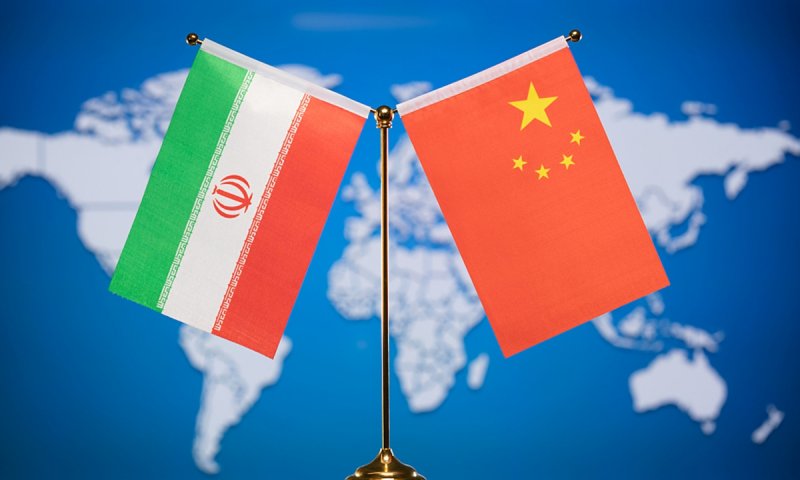
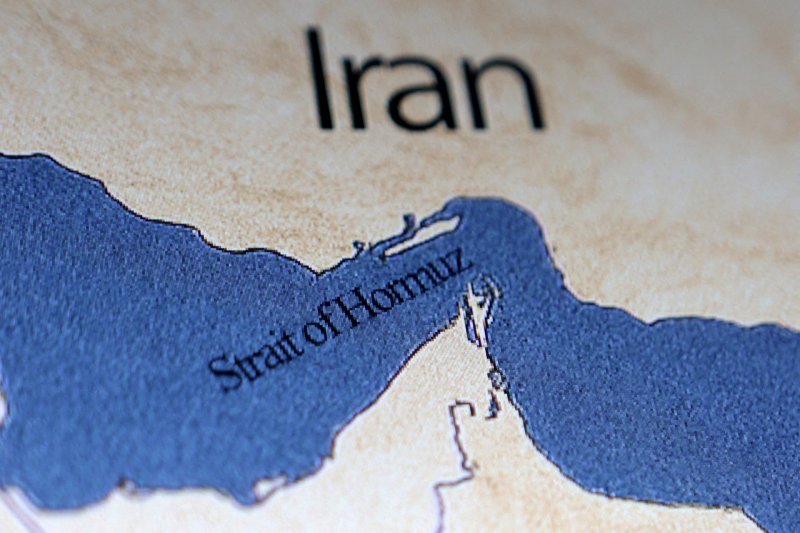
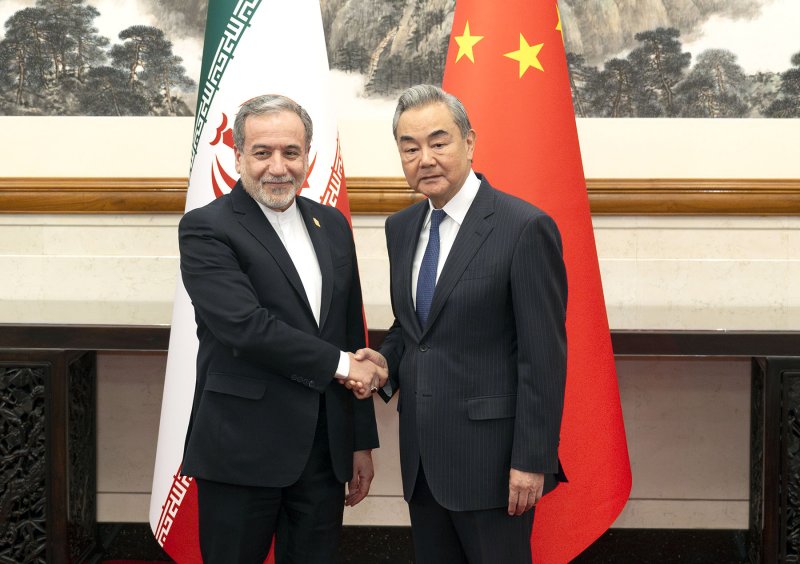
On May 6, Iranian Foreign Minister Abbas Araghchi held talks with his Chinese counterpart Wang Yi in Beijing. The meeting took place amid accelerated efforts to reach a peace agreement between Tehran and Washington, while at the same time the US president announced a pause in efforts to open the Strait of Hormuz.

According to "Stabil.az", analysts say the visit indicates that China has significant interests in the US-Iran conflict and that Beijing may be positioned to influence the direction of developments.

During the meeting in Beijing, Wang Yi once again described US and Israeli military operations against Iran as "illegal". While official Beijing has repeatedly framed the conflict as a violation of international law, it has stopped short of fully endorsing all of Iran’s actions.

China has also characterized the assassination of Iran’s former supreme leader Ayatollah Ali Khamenei as a dangerous escalation, warning that such developments could push international politics back toward a "law of the jungle" environment. Alongside Russia, Beijing has also used its veto power in the UN Security Council to block resolutions condemning Iran’s actions in the Strait of Hormuz.

At the same time, China has resisted growing US pressure regarding its economic relations with Tehran. Washington has imposed sanctions on Chinese companies accused of purchasing Iranian oil, while Beijing has instructed its firms not to comply with those restrictions.

News about -   Araghchi's Beijing visit: What does Iran want from China?

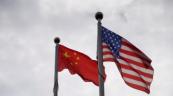
US Treasury Secretary Scott Bessant has nevertheless called on China to use its influence over Tehran to help ease tensions, reflecting a partial thaw in US-China relations following a preliminary trade agreement reached late last year.

Jody Wen, a researcher at the Center for International Security and Strategy (CISS) at Tsinghua University in Beijing, said China’s messaging is largely focused on preventing further instability in the Strait of Hormuz, a critical route for China’s energy imports and trade.

“I think China will do everything it can to bring Iran back to the negotiating table and keep the Strait of Hormuz open,” Wen said.

China remains Iran’s most important economic partner following US sanctions that left Tehran heavily dependent on Chinese trade and investment. China purchases a significant share of Iran’s oil exports, often at discounted prices, while Iranian revenues are largely directed toward Chinese goods and services. This dependency has deepened further since the two countries signed a 25-year strategic partnership agreement in 2021 covering infrastructure, trade, and security cooperation.

Against this backdrop, analysts believe Araghchi’s visit was also aimed at securing diplomatic backing from Beijing at a critical moment in the conflict.

Chris Doyle, director of the Arab-British Council for Understanding, told Al Jazeera that Tehran is likely seeking clarity on how far China is prepared to support Iran if it agrees to de-escalate tensions in the Strait of Hormuz.

“The Iranian foreign minister is likely to have gone to Beijing to seek clarity and assurance from China that if they decide to open the strait, Beijing will continue to provide diplomatic support and back them at the UN,” Doyle said.

Tehran is expected to rely on China’s backing at the UN to prevent further sanctions related to the Strait of Hormuz. Iranian officials are also reportedly seeking assurances regarding Beijing’s position when Xi Jinping meets Donald Trump next week, particularly whether China might make concessions to Washington that could concern Tehran.

Doyle emphasized that the timing of the visit is significant, as Washington has been increasing pressure on Beijing to use its influence over Iran.

“Trump is coming next week, and the Trump administration has been putting more pressure on Beijing in recent days to use its influence over Iran, to pressure Tehran and bring it to the negotiating table to stop the war, and in particular to end the blockade of the Strait of Hormuz,” he said.

US media reports also suggest that China is considering expanding military support for Iran. According to CBS News, Pentagon intelligence analysts believe Beijing may be weighing the provision of advanced radar and air defense systems to Tehran, although it remains unclear whether any transfers have actually taken place.

Analysts say Iran’s immediate priority is to secure guarantees that China will maintain its diplomatic support if Tehran agrees to reduce its activities in the Strait of Hormuz.

News about -   Araghchi's Beijing visit: What does Iran want from China?

One of China’s key interests, according to experts, is maintaining regional stability and preserving favorable conditions for its fast-growing economy. Uninterrupted shipping through the Strait of Hormuz is central to this, as prolonged disruption could threaten both China’s economy and global markets, as well as energy security.

As a result, analysts expect Beijing to encourage Tehran to keep maritime routes open and return to negotiations.

At the same time, China views Iran as an important regional counterbalance to US influence in the Middle East and has no interest in seeing the Iranian government significantly weakened.

Iran also provides China with strategic advantages beyond energy cooperation. Tehran has increasingly promoted the use of the Chinese yuan in oil transactions, supporting Beijing’s broader efforts to expand the currency’s international role in the face of US dollar dominance.

Analysts further suggest that China may see the current crisis as an opportunity to strengthen its global image as a diplomatic power capable of brokering deals beyond East Asia.


Stabil.Az 

Stay updated with the latest news Follow us on Google Subscribe