About
About Contact
Davos 2026: Dialogue, tension, and shifting alignments
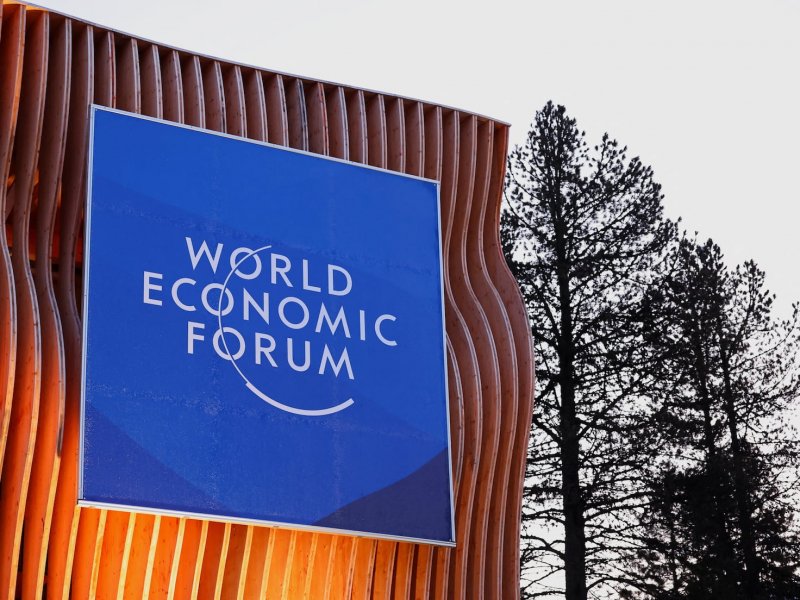


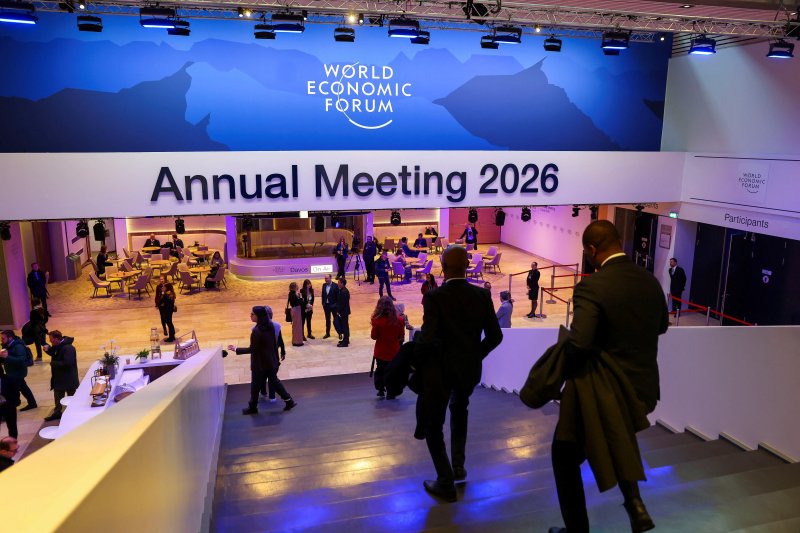
The annual World Economic Forum has concluded in Davos, Switzerland. Compared with previous years, this edition stood out for its notably more intense discussions and, at times, tense atmosphere. From the Davos stage, world leaders delivered key messages on a wide range of economic, social, and humanitarian issues shaping the global agenda.
Stabil.az has compiled the most memorable moments of this year’s World Economic Forum.
To begin with, the scale of the forum was striking. Nearly 3,000 participants attended, including more than 60 heads of state and government, around 850 chairpersons and CEOs of the world’s largest companies, as well as representatives of international organizations and civil society.
The forum, held from January 19 to 23, was presented by its organizers as a platform for mutual listening, rethinking established approaches, and seeking collective responses to global challenges. Reflecting this philosophy, the event was held under the motto “The Spirit of Dialogue.”
The program revolved around five core themes: cooperation amid rising global conflict, the search for new sources of economic growth, investment in human capital, the responsible use of innovation, and the pursuit of global prosperity. In parallel, numerous sessions addressed issues such as the implications of artificial intelligence, health, climate change, education and energy challenges, job creation in Africa, combating modern slavery, food security, preparations for the football World Cup, and the sustainability of the Russian economy.
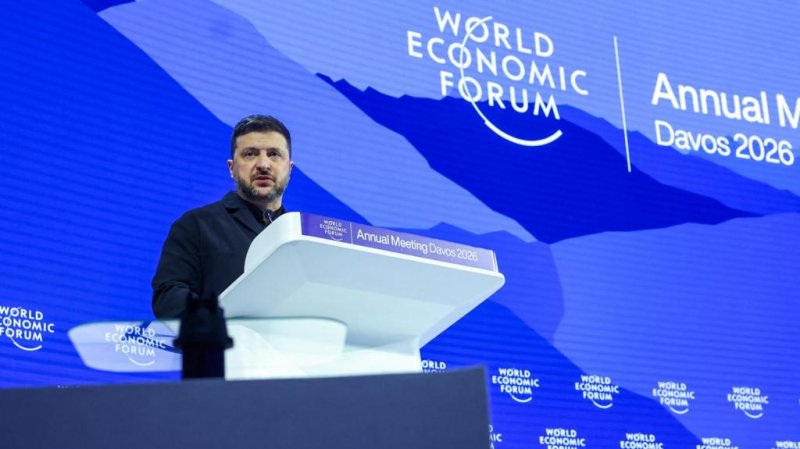
Initially, Ukraine was expected to dominate both the official and informal agendas of the forum. However, as it became clear that Ukrainian President Volodymyr Zelensky did not plan to attend, speculation grew that the forum’s focus might shift.
In early January, Western media outlets, citing unnamed sources, suggested that Davos could see progress toward resolving the conflict. The British newspaper The Telegraph, in particular, reported that Zelensky and U.S. President Donald Trump might sign an agreement in Davos related to Ukraine’s post-war reconstruction.
Ahead of the forum, it was also expected that critical discussions would take place on security guarantees involving representatives from the United States, Ukraine, and the European Union. These talks were meant to clarify Trump’s position on the possible deployment of British and French troops to Ukraine after a peace agreement. As one unnamed European source told the Financial Times, “Without the U.S., none of this [the deployment of a peacekeeping contingent on Ukrainian territory] will happen.”
On the eve of the forum, however, signals emerged suggesting that major breakthroughs were unlikely. An American source quoted by Axios noted that the agreement on Ukraine’s reconstruction still required further refinement, diminishing the urgency of Zelensky’s presence in Davos.
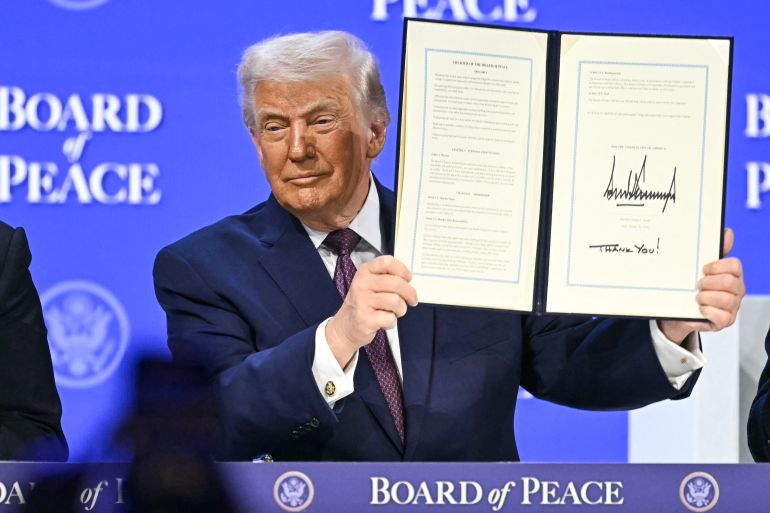
Nevertheless, Trump’s speech at the forum hinted at a subtle shift in tone. He refrained from criticizing Zelensky and stated that the conflict should ultimately be resolved through engagement by the leaders of both Ukraine and Russia. He also announced plans to meet Zelensky in Davos. The following day, January 22, Zelensky arrived, and the anticipated meeting took place. While details were not disclosed, the Ukrainian side described the talks as “good.”
More broadly, the Davos forum once again proved to be an effective platform for dialogue between European leaders and the Trump administration.
In her address, Ursula von der Leyen, President of the European Commission, expressed readiness to cooperate with the United States and other partners on a wide-ranging agenda for Arctic security. At the same time, she urged Europe to use the current geopolitical turbulence to strengthen its strategic autonomy and promised a “firm, unified, and proportionate response” to any actions undermining European interests and values.
One of the most emotionally charged speeches came from French President Emmanuel Macron, who highlighted that more than 60 wars were recorded worldwide in 2024. Macron stressed that Europe possesses “very powerful” instruments to defend its national interests, singling out the EU’s Anti-Coercion Instrument—never before used in the bloc’s history. Potential measures under this mechanism have included tough tax actions against U.S. technology giants, restrictions on intellectual property rights, and bans on investment within the EU.
By contrast, U.S. Treasury Secretary Scott Bessent urged European partners not to retaliate against tariffs, advising them instead to “calm down and take a deep breath.”
Toward the end of the forum, however, tensions noticeably eased and the overall atmosphere shifted. Following talks with NATO Secretary General Mark Rutte, Trump posted on his Truth Social account, describing the meeting as “very productive” and stating that “the framework for a future agreement on Greenland and the Arctic region more broadly has been formed.”
“If this decision is finalized, it will be beneficial for the United States and all NATO countries,” Trump emphasized. He also announced that the tariffs on European countries, which were scheduled to take effect on February 1, would not be implemented.
Stay updated with the latest news Follow us on Google Subscribe
-
 28 SEP 2026 17:58
 -
 28 SEP 2026 17:25
 -
 28 SEP 2026 16:36
 -
 28 SEP 2026 15:52
 -
 28 SEP 2026 15:16
 -
 28 SEP 2026 14:49
 -
 28 SEP 2026 14:22
 -
 28 SEP 2026 13:58
 -
 28 SEP 2026 13:36