Why the global chip market is facing another crisis
23 February 2026 15:54   23 Feb 2026 16:07 Share

The global semiconductor market is once again entering a turbulent phase. After gradually recovering from the supply disruptions caused by the COVID-19 pandemic, the industry is now facing renewed pressure driven by geopolitical tensions, artificial intelligence (AI) expansion, and structural imbalances in production and demand.

“Stabil.az” examined the current developments in the chip market and the broader technological forces — including the rapid rise of AI platforms such as ChatGPT — that are influencing this new wave of instability.

From pandemic shock to overproduction

Over the past five years, the semiconductor industry has experienced repeated disruptions. The first major shock emerged during the COVID-19 pandemic, when global logistics chains were severely disrupted. Lockdowns and factory closures led to widespread chip shortages, particularly affecting automotive manufacturing, consumer electronics, and industrial equipment.

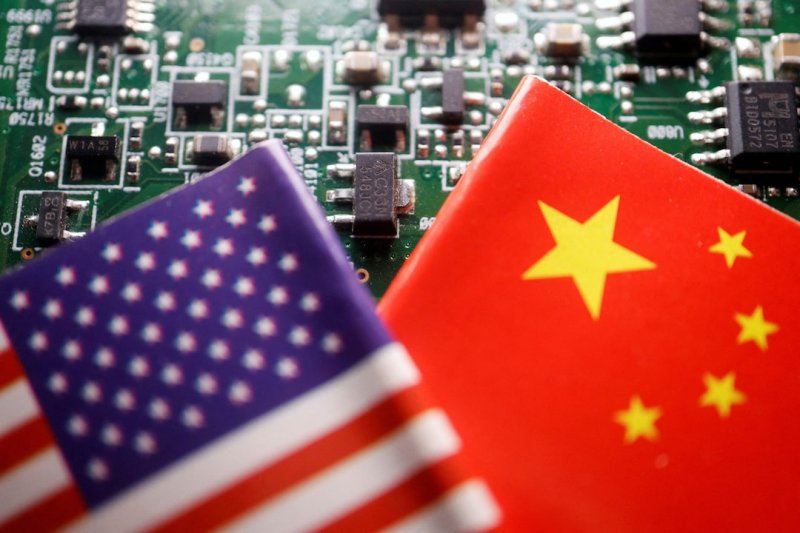
The situation became even more complicated amid escalating trade tensions between the United States and China. Semiconductor manufacturers were forced to restructure supply routes, diversify sourcing strategies, and localize parts of their production and distribution systems to reduce geopolitical risks.

By mid-2021 and throughout 2022, chipmakers rushed to expand capacity and rebuild supply chains. As restrictions eased, production increased sharply. By late 2022, the acute chip shortage had largely subsided.

However, the pendulum swung in the opposite direction in 2023. Analysts began reporting excess production — or “overcapacity” — in several segments of the semiconductor market. Prices declined, and many manufacturers faced financial losses due to oversupply.

News about -   Why the global chip market is facing another crisis

The AI boom changes the equation

A new dynamic entered the market in November 2022, when OpenAI launched ChatGPT. Unlike earlier AI systems that were primarily confined to professional or academic use, ChatGPT became accessible to the general public, rapidly transforming into one of the defining technological trends of 2023 and 2024.

The success of generative AI triggered a wave of investment. Major technology companies began racing to develop their own AI models and platforms. This dramatically increased demand for high-performance computing infrastructure.

One of the primary beneficiaries of this surge was Nvidia, whose advanced GPUs became essential for training and operating AI systems. Demand for its chips rose sharply as corporations invested heavily in AI-driven solutions.

In 2024, global technology giants allocated tens of billions of dollars to building new AI-focused data centers and expanding cloud computing infrastructure. Rapid data center development was particularly visible in Southeast Asia.

Meanwhile, leading semiconductor manufacturer TSMC reported record profits in 2024, driven by soaring demand for advanced chips used in artificial intelligence applications.

Renewed supply constraints in 2025–2026

By 2025, artificial intelligence had become embedded in everyday electronic devices, much like high-speed wireless internet and advanced displays had in earlier years. AI integration extended beyond specialized systems into smartphones, laptops, industrial automation, and consumer services.

At the same time, geopolitical pressures intensified. Following the re-election of Donald Trump at the end of 2024, the United States tightened restrictions on the export and foreign supply of advanced AI chips. Several European countries introduced similar limitations on semiconductor technologies linked to artificial intelligence.

These restrictions, combined with explosive demand for AI hardware, created a new supply imbalance. By 2025, prices for semiconductors, memory chips, components, and manufacturing equipment began to rise significantly.

The situation deteriorated further in early 2026. The price of certain DRAM memory modules increased by approximately 75% between December 2025 and January 2026. Analysts attribute this spike not only to restricted supply, but also to the growing technological complexity of AI systems, which require increasingly advanced and expensive chips.

News about -   Why the global chip market is facing another crisis

Broader market impact

The AI race is affecting not only processors but also memory technologies such as DRAM, HDDs, and SSDs. As manufacturers prioritize production for AI-related clients, other sectors face delayed deliveries and limited availability.

This shift has ripple effects across the broader electronics market. Increased demand for chips and memory components is pushing up production costs for smartphones, laptops, and other consumer devices.

According to forecasts from Counterpoint Research, rising smartphone prices may slow global sales growth in 2026. Some manufacturers have already postponed product launches due to component shortages and higher production expenses.

Structural challenges ahead

Beyond pricing pressures, the AI-driven transformation of the semiconductor industry is raising broader concerns. Experts warn that prioritizing AI-related hardware could deepen inequality between sectors and disrupt traditional production planning.

Additionally, some analysts have voiced concerns about the potential impact of AI technologies on employment, particularly in creative industries, finance, and manufacturing.

The semiconductor market’s renewed instability highlights the complexity of balancing innovation, geopolitics, and supply chain resilience. What began as a pandemic-driven shortage has evolved into a new, structurally driven cycle shaped by artificial intelligence expansion and global strategic competition.

As AI becomes increasingly embedded in economic systems worldwide, the chip market may continue to experience volatility — not as a temporary disruption, but as part of a longer-term technological transformation.


Stabil.Az 

Stay updated with the latest news Follow us on Google Subscribe