Trump–Merz row: Why the US plans to withdraw troops from Germany
https://stabil.az/en/news/trump-merz-row-why-the-us-plans-to-withdraw-troops-from-germany
Copied
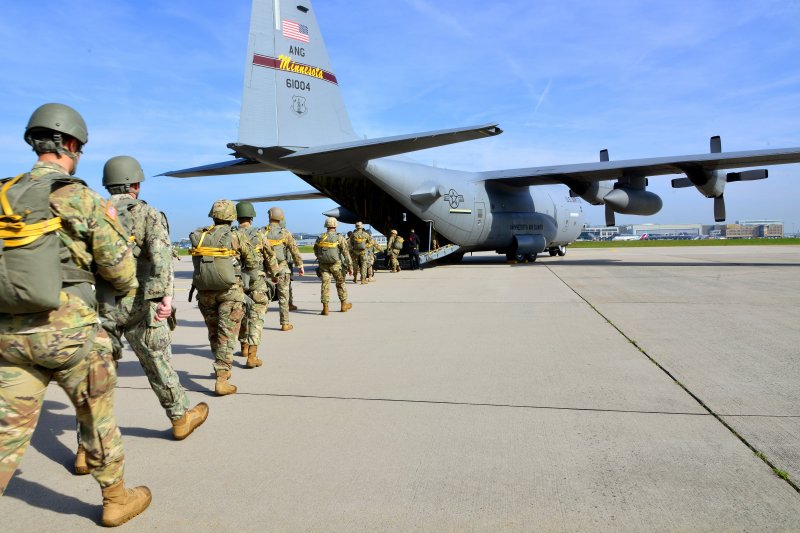
The United States Department of Defense has announced plans to withdraw 5,000 American troops from Germany.
According to “Sabil.az”, Pentagon spokesperson Sean Parnell stated that the order was issued by US Defense Secretary Pete Hegseth.
“This decision follows a comprehensive review of US troop deployments across Europe. We expect the withdrawal process to be completed within six to twelve months,” Parnell said.
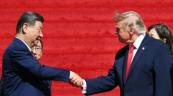
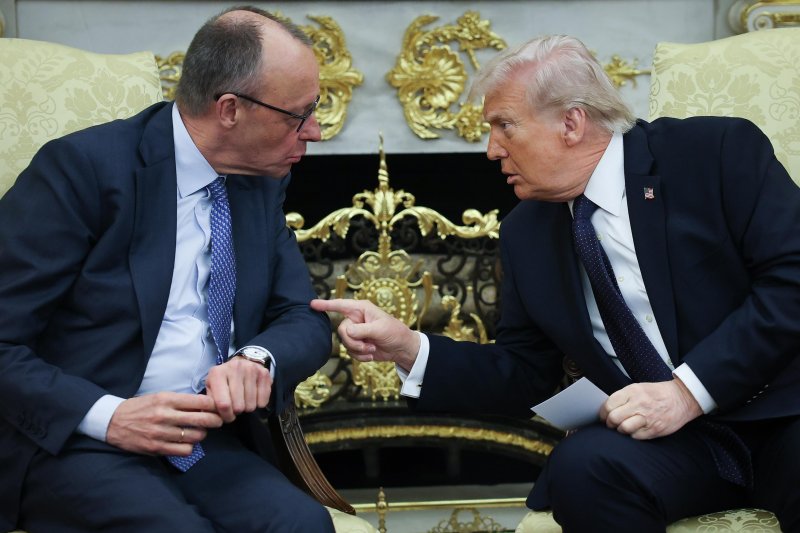
The move comes amid rising tensions between US President Donald Trump and German Chancellor Friedrich Merz over the ongoing conflict with Iran.
A few days earlier, Merz told university students that “the Americans do not have a clear strategy in Iran” and that he sees no “strategic way out” in Washington’s approach.
“The Iranians seem to be very good at negotiating—or rather, very good at avoiding negotiations. They allow the Americans to come to Islamabad and then return without any results,” the German chancellor said. He also argued that “the entire nation” is being “humiliated” by Iran’s leadership.

Trump responded sharply on his Truth Social platform, claiming that Merz “considers it normal for Iran to have nuclear weapons” and “doesn’t know what he’s talking about.”
“It’s no wonder things are going so badly in Germany—economically and in every other respect!” the US president wrote.
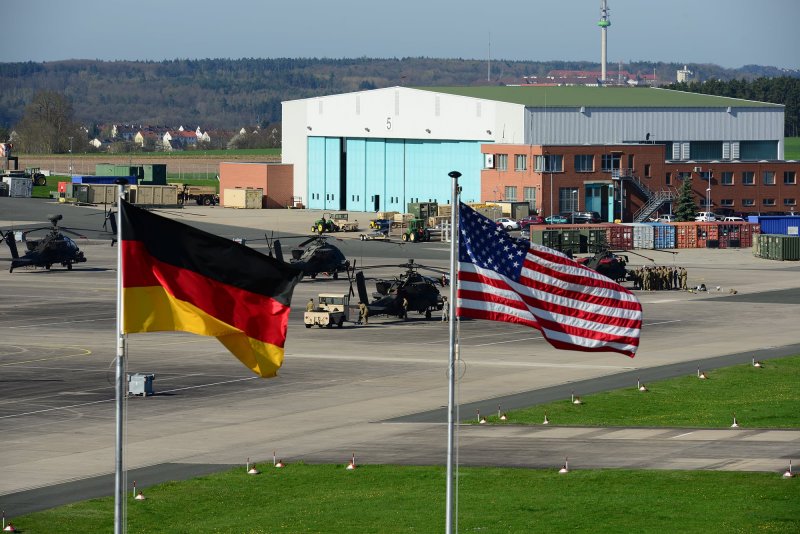
As of December last year, more than 36,000 US troops were stationed in Germany—the largest American military presence in Europe. A significant number are based at Ramstein Air Base near Kaiserslautern in southwestern Germany.
Trump also indicated that he is considering withdrawing US troops from Italy and Spain in light of recent developments.
A longstanding critic of NATO, Trump recently faulted allies for refusing to participate in efforts to restore operations in the Strait of Hormuz.
When asked whether he would consider pulling troops from NATO partners Italy and Spain, Trump replied: “I probably would—why not?”
“Italy didn’t help us at all, and Spain did a terrible job,” he added, criticizing their response to the conflict with Iran.
“They said, ‘I don’t want to get involved,’” Trump noted.
Currently, around 12,000 US troops are stationed in Italy and approximately 10,000 in the United Kingdom. In 2020, a proposal to relocate 12,000 US troops from Germany to other NATO countries or back to the United States was blocked by Congress and later отменed by President Joe Biden.
At the time, Trump accused Germany of “acting unfairly” because its defense spending fell significantly below NATO’s 2% GDP target.
However, the situation has shifted under Merz’s government. Forecasts suggest Germany will spend €105.8 billion on defense by 2027, with overall defense spending expected to reach 3.1% of GDP next year.
Still, questions remain about whether Germany is prepared for a potential US military withdrawal.
According to Spiegel, such a move could have negative consequences for Germany, as US military bases represent a key economic factor in regions like Rhineland-Palatinate, Baden-Württemberg, and Bavaria. Thousands of German civilians are employed in support roles at these facilities.
Experts cited by the Tagesspiegel argue that a withdrawal could also weaken the United States itself. Particular attention is given to Ramstein Air Base, widely regarded as the central hub of US Air Force operations in Europe. The base plays a critical role in managing weapons systems, aircraft, drones, and troop movements. Following the US withdrawal from Afghanistan in August 2021, more than 30,000 people were stationed there, underscoring its importance for large-scale operations, especially in the Middle East.

Military expert Nico Lange emphasized that the American presence in Germany primarily serves US strategic interests. “The 36,000 American troops stationed in Germany support facilities such as the Landstuhl military hospital, the Ramstein strategic hub, and the Grafenwöhr training center. These sites are less about defending Germany and more about enabling US operations in the Middle East and projecting global power,” he said.
German historian and adjunct professor at the University of Potsdam, Christian Müller, believes Germany is not ready for a full US withdrawal.
“The issue goes beyond troop numbers. A complete withdrawal would likely call into question the current framework of nuclear cooperation,” Müller explained. “Although there are discussions about establishing a European nuclear deterrent in cooperation with France and the United Kingdom, it is doubtful these ideas will move beyond declarations in the near future.”
According to Müller, Trump’s statements are likely to deepen concerns within NATO about the United States’ long-term commitment to the alliance and the future of the transatlantic security structure.
“Germany and the Bundeswehr will not be able to compensate for this in the near term,” he said. “The Bundeswehr’s ambition to become ‘the strongest army in Europe’ appears unrealistic. Despite four years since the 2022 ‘turning point,’ progress has been modest, and fundamental problems with equipment and personnel persist.”
He also noted that Poland’s parallel efforts to build the strongest military in the European Union may limit enthusiasm for similar ambitions in Berlin among other European capitals.
Stay updated with the latest news Follow us on Google Subscribe
About
Contact