About
About Contact
The long-awaited US-Iran ceasefire: Global reactions
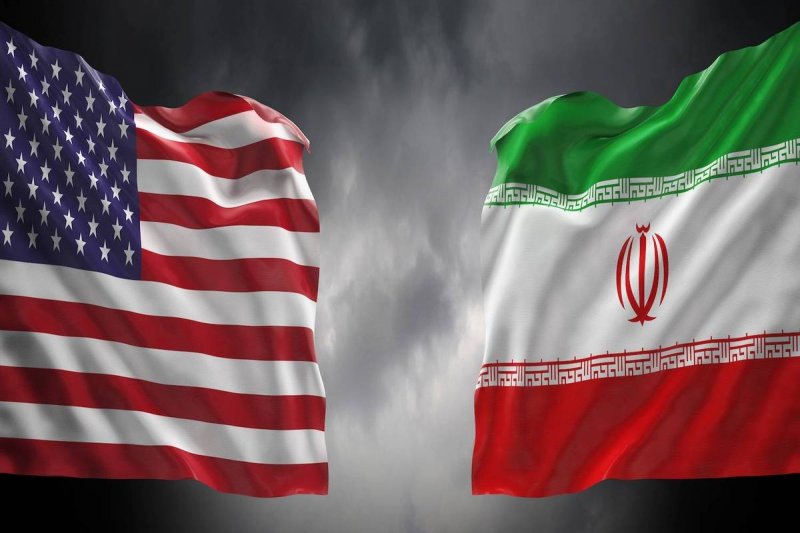


A two-week ceasefire between the United States and Iran has been agreed upon, with negotiations to finalize a long-term peace deal scheduled in Islamabad, Pakistan, on April 10.
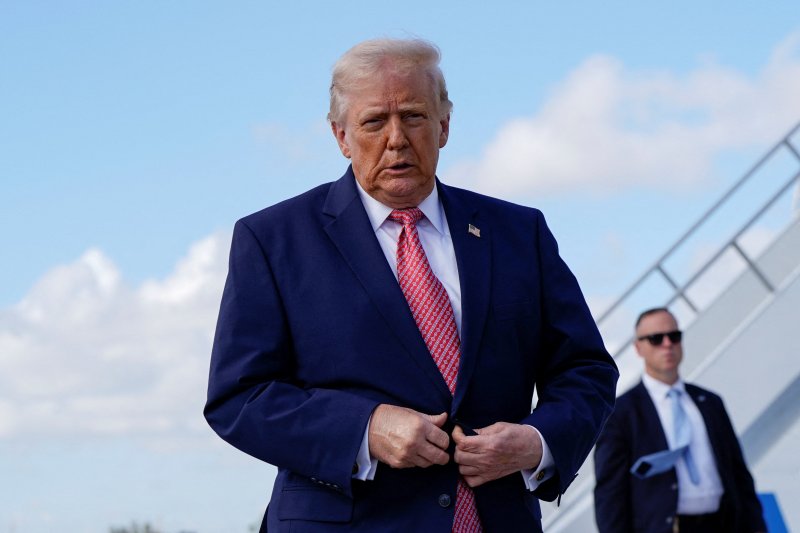
According to Sabil.az, under the ceasefire announced by US President Donald Trump, Iran will reopen the Strait of Hormuz, a critical maritime corridor through which one-fifth of the world’s oil supply passes.
The agreement has drawn global attention, with countries expressing varied reactions to the development. Here’s a breakdown of how key nations have responded:
Israel
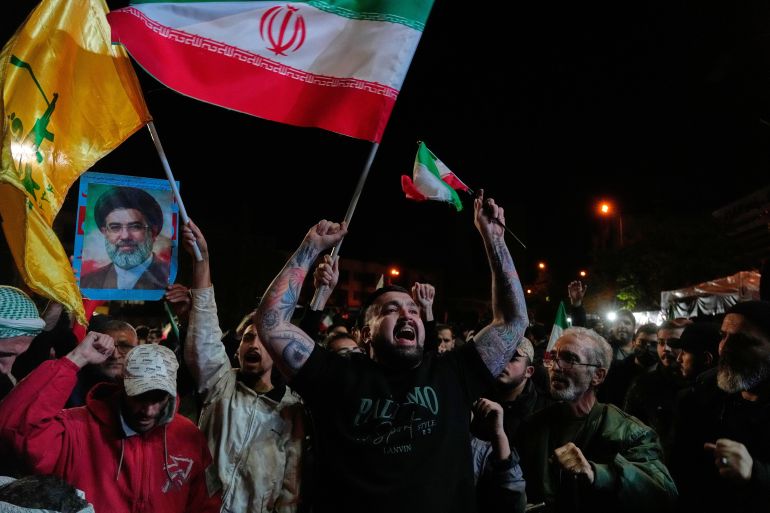
Israeli Prime Minister Benjamin Netanyahu, in a post on the X platform, expressed support for Trump’s decision to halt strikes against Iran. However, he emphasized that the ceasefire “does not include Lebanon.” Israeli forces continue ground operations in Lebanon, where clashes with the Iran-linked Hezbollah movement persist.
Iraq
The Iraqi Foreign Ministry welcomed the ceasefire but stressed that lasting success depends on both the US and Iran honoring the agreement.
“We reiterate our support for regional and international efforts to prevent crises and prioritize dialogue and diplomacy,” the ministry stated. “We stress the importance of full compliance with the ceasefire and avoiding any escalation of tensions.”
Egypt
The Egyptian Foreign Ministry described the ceasefire as “a very important opportunity for negotiations, diplomacy, and constructive dialogue.” In a statement on Facebook, it emphasized that the ceasefire should be reinforced through “full commitment to the cessation of military operations and the protection of international freedom of navigation.”
Egypt also affirmed its continued efforts with Pakistan and Türkiye to “promote security and stability in the region” and urged that US-Iran talks address the “legitimate security concerns of the Gulf countries.”
United Nations
UN Secretary-General Antonio Guterres welcomed the ceasefire and called on all parties to adhere to its terms, highlighting the need to “pave the way for a lasting and comprehensive peace in the region.”
Guterres underscored that halting hostilities is urgently required “to protect civilian lives and reduce humanitarian suffering” and expressed gratitude to Pakistan and other countries for their role in facilitating the agreement.
Japan
Japan’s Chief Cabinet Secretary Minoru Kihara told reporters that Tokyo views the two-week ceasefire as a positive step while awaiting a final agreement. He noted that reducing tensions in the Middle East remains a top priority.
Malaysia
The Malaysian Foreign Ministry called the ceasefire a significant development and a step toward restoring peace and stability in the region. The ministry urged all parties to honor the agreement in good faith to prevent renewed military conflict and to avoid provocative actions that could undermine regional stability or global energy security.
New Zealand
New Zealand Foreign Minister Winston Peters welcomed the ceasefire but noted that substantial challenges remain. Writing on the X platform, Peters said:
“While this is encouraging news, much more needs to be done in the coming days to ensure a lasting ceasefire, as the war has had far-reaching repercussions and disruptions in the Middle East and beyond.”
He also praised the contributions of Pakistan, Türkiye, and Egypt in helping reach the agreement.
Stay updated with the latest news Follow us on Google Subscribe
-
 28 SEP 2026 17:58
 -
 28 SEP 2026 17:25
 -
 28 SEP 2026 16:36
 -
 28 SEP 2026 15:52
 -
 28 SEP 2026 15:16
 -
 28 SEP 2026 14:49
 -
 28 SEP 2026 14:22
 -
 28 SEP 2026 13:58
 -
 28 SEP 2026 13:36