Strait of Hormuz: Which countries’ ships are allowed to pass?
25 March 2026 12:22   25 Mar 2026 23:39 Share

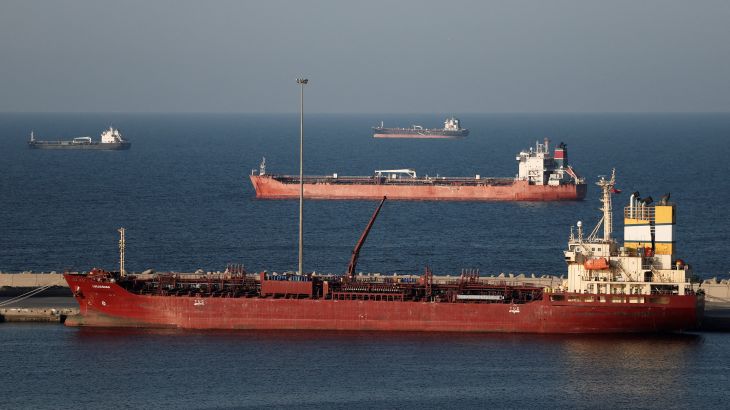
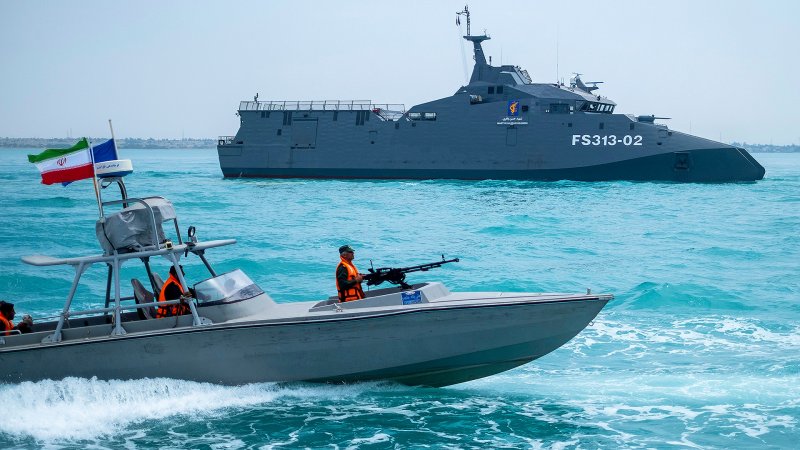
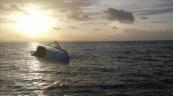
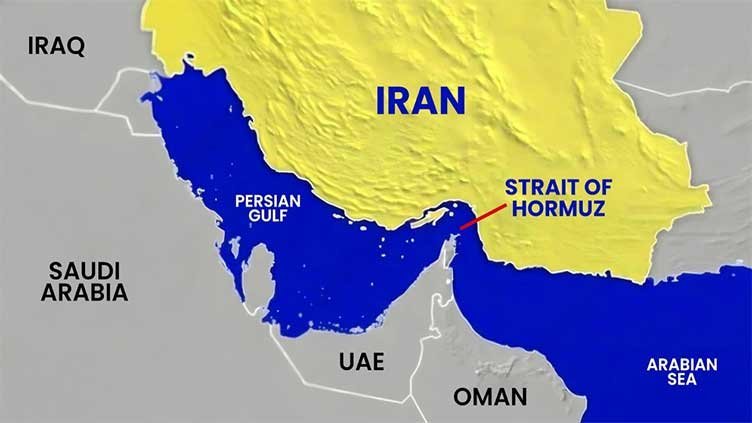
Amid the recent military operation conducted by the United States and Israel against Iran, Tehran moved to close the Strait of Hormuz to maritime traffic. The Iranian authorities later clarified that the strategic waterway would remain open to ships from other countries, with the exception of vessels linked to the United States and its allies. These developments have had an immediate impact on global energy markets, triggering a sharp rise in oil prices. A barrel of oil, which had been trading at around $65 before the escalation, has now surged past the $100 mark.

According to Sabil.az, Iranian Foreign Minister Abbas Araghchi stated in an interview with the CBS television network a few days ago that Tehran has received multiple requests from various countries seeking safe passage for their ships. He emphasized that decisions on such requests are handled by Iran’s military authorities.

While Araghchi confirmed that certain vessels from different countries have been granted permission to transit the strait, he did not disclose specific details.

Below is an overview of countries whose ships have been allowed to pass through the Strait of Hormuz, as well as those currently engaged in negotiations:

Pakistan

According to Bloomberg, on March 15, the Pakistani-flagged Aframax tanker Karachi successfully exited the Persian Gulf via the Strait of Hormuz.

India

On March 14, Iran’s ambassador to India, Mohammad Fathali, announced that Tehran had permitted several Indian vessels to transit the strait. This move is viewed as a rare exception amid ongoing restrictions that have disrupted global energy flows.

Although the exact number of ships was not disclosed, Indian authorities confirmed that two Indian-flagged tankers transporting liquefied petroleum gas had passed through the strait.

“They safely crossed the Strait of Hormuz early this morning and are now en route to India,” said Rajesh Kumar Sinha, Special Secretary at India’s Ministry of Ports, Shipping and Waterways.

News about -   Strait of Hormuz: Which countries’ ships are allowed to pass?

Türkiye

Turkish Transport and Infrastructure Minister Abdulkadir Uraloglu told local media that one Turkish vessel was granted permission by Iran to pass through the strait.

“There were 15 ships waiting. We received authorization for one vessel that had used an Iranian port, and it was able to transit,” the minister said.

China

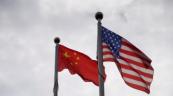
According to a Reuters report published on March 5 citing diplomatic sources, China is currently in talks with Iran to secure safe passage for ships carrying crude oil and liquefied natural gas from Qatar.

China, which relies heavily on Middle Eastern energy supplies and maintains close ties with Iran, has expressed concern over the disruption of shipping in the strait. Beijing is actively pressing Tehran to ensure the uninterrupted movement of its vessels.

Notably, approximately 45 percent of China’s oil imports pass through the Strait of Hormuz.

News about -   Strait of Hormuz: Which countries’ ships are allowed to pass?

France and Italy

The Financial Times reports that France and Italy have also indicated their intention to engage in negotiations with Iran to facilitate safe passage for their ships through the strait.

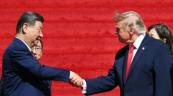
Meanwhile, US President Donald Trump has called for the formation of an international naval coalition to safeguard maritime security in the Strait of Hormuz alongside the US Navy.

In a post on his social media platform Truth Social, Trump urged countries including China, France, Japan, South Korea, and the United Kingdom to participate by deploying naval forces to the region. However, none of these countries have formally committed to joining such an initiative so far.

On March 16, both Germany and Greece ruled out any military involvement. A German government spokesperson stated, “There will be no involvement as long as this war continues, not even in efforts to keep the Strait of Hormuz open through military means.”

Greek government spokesperson Pavlos Marinakis likewise confirmed that Greece would not take part in such operations.

Despite pressure from Washington, UK Prime Minister Keir Starmer also signaled reluctance to escalate involvement, stating, “We will not be drawn into a larger-scale war.”


Stabil.Az 

Stay updated with the latest news Follow us on Google Subscribe