About
About Contact
How long can Iran withstand a US naval blockade?
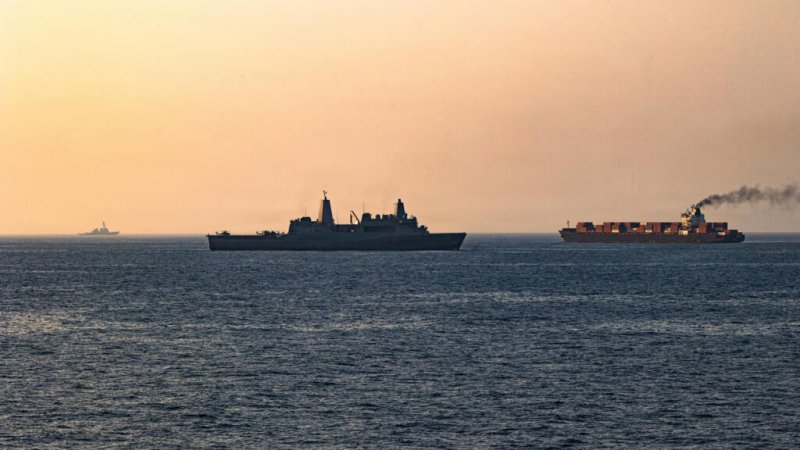


As reported, a U.S. naval blockade targeting Iranian ports came into effect on April 13. Since then, U.S. forces have reportedly seized an Iranian-flagged tanker near the Strait of Hormuz and redirected vessels carrying cargo to or from Iran on the high seas.
According to Sabil.az, Iranian armed forces have described these actions as “illegal acts” and “a step tantamount to piracy.”
In response, Iran has taken countermeasures, including closing the Strait of Hormuz to foreign ships and seizing several foreign-flagged vessels. Previously, Tehran had allowed passage to certain ships it considered “friendly.”
On April 23, Mohammad Baqir Ghalibaf, Speaker of the Iranian Parliament and a chief negotiator in ceasefire discussions, stated on social media that a full ceasefire would only be possible if the U.S. naval blockade is lifted.
Analysts note that while the blockade is putting pressure on Iran, the country still appears to have both the economic capacity and political will to continue resisting it.
Impact of the Blockade on Iran’s Economy
Iran relies heavily on maritime routes to export oil, gas, and other goods, including petrochemicals, plastics, and agricultural products. Experts believe that the U.S. blockade—especially around the Strait of Hormuz—could significantly disrupt this trade.
It is worth noting that following the escalation of conflict between the U.S. and Israel against Iran on February 28, Tehran effectively tightened control over the Strait of Hormuz. This waterway is the only maritime exit from the Persian Gulf and carries about 20% of global oil and liquefied natural gas (LNG) flows in peacetime.
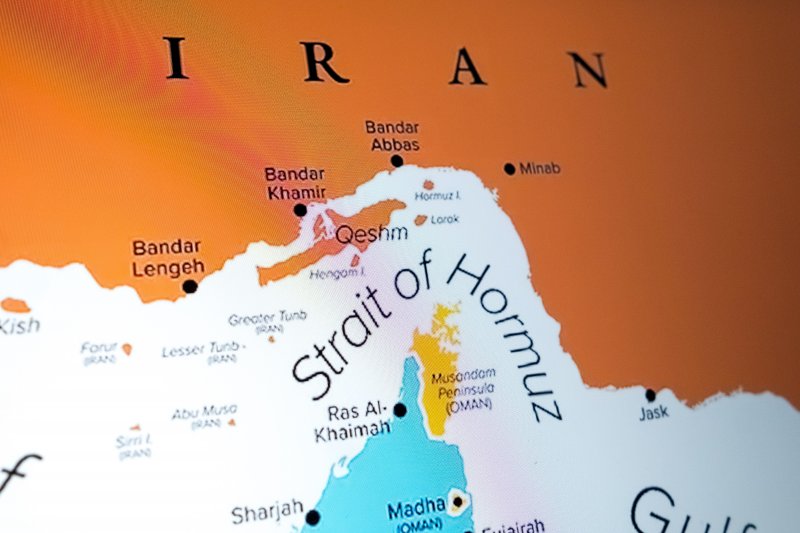
The partial closure of this strategic passage initially caused a sharp rise in global oil and gas prices. Despite this, Iran has continued exporting energy resources through the same route, maintaining significant control over traffic.
Exports via the Strait of Hormuz account for roughly 80% of Iran’s total oil exports. According to the analytics firm Kpler, Iran exported 1.84 million barrels of crude oil per day in March and 1.71 million barrels per day so far in April, compared to an average of 1.68 million barrels in 2025.
Between March 15 and April 14, Iran exported 55.22 million barrels of oil. Iranian crude grades such as Iran Light, Iran Heavy, and Forozan Blend reportedly traded above $90 per barrel over the past month, and at times exceeded $100.
At a conservative price of $90 per barrel, Iran is estimated to have generated at least $4.97 billion in oil revenue over the past month.
By comparison, before the conflict in early February, Iran’s daily oil revenue stood at around $115 million, or approximately $3.45 billion per month. This suggests that oil income has increased by roughly 40% in the recent period despite ongoing tensions.
Experts believe that limiting these revenues is one of the key objectives behind the U.S. naval blockade.
Strategic and Expert Assessments
In an interview with Al Jazeera on April 14, Middle East analyst Frederick Schneider noted that while recent weeks have been financially favorable for Iran in terms of oil exports, the U.S. blockade could significantly alter this situation.
He added that Iran is believed to have around 127 million barrels of oil stored in floating tankers, which may temporarily cushion the impact. However, he emphasized that this does not guarantee immunity from long-term pressure.
According to Schneider, Iran is engaged in a “long-term game” and appears partially prepared for sustained economic confrontation.
He also noted uncertainty regarding the effectiveness and durability of the blockade, stating that it remains unclear how strictly it will be enforced, how many vessels will be allowed passage, and how long it can be maintained.
“The naval blockade has increased economic pressure, as several civilian ships have been seized in international waters. However, it is still unclear how strict the blockade is, how many ships can pass through, and how long it can continue,” he said.
Iran’s Production Capacity and Strategic Vulnerabilities
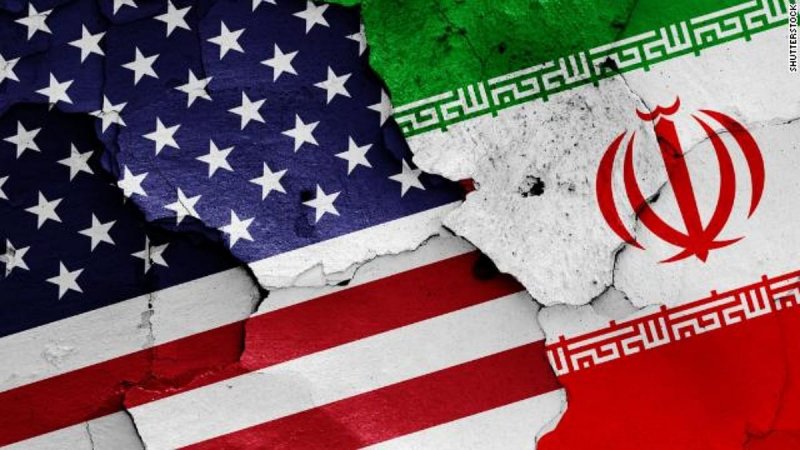
Consulting firm FGE Energy estimates Iran’s domestic oil refining capacity at around 2.6 million barrels per day. Major production facilities are concentrated in the southwest, with Khuzestan serving as the country’s primary oil-producing region, while Bushehr (including the South Pars field) is a key hub for gas and condensate production.
Iran is currently the third-largest oil producer within OPEC, exporting approximately 90% of its crude oil via the Strait of Hormuz through Kharg Island.
How Long Can Iran Hold Out?
The naval blockade effectively forces Iran to store larger volumes of unsold oil, raising concerns about long-term storage limitations. Over time, this could create logistical and financial pressure if exports are further restricted.
While Iran appears capable of absorbing short-term shocks through reserves, continued restrictions on maritime exports would gradually strain both its storage capacity and revenue streams.
Stay updated with the latest news Follow us on Google Subscribe
-
 28 SEP 2026 17:58
 -
 28 SEP 2026 17:25
 -
 28 SEP 2026 16:36
 -
 28 SEP 2026 15:52
 -
 28 SEP 2026 15:16
 -
 28 SEP 2026 14:49
 -
 28 SEP 2026 14:22
 -
 28 SEP 2026 13:58
 -
 28 SEP 2026 13:36