Gulf states seek Ukraine’s experience in countering drones
https://stabil.az/en/news/gulf-states-seek-ukraines-experience-in-countering-drones
Copied
Unmanned aerial vehicles (UAVs) have become one of the most essential technologies in modern warfare. Since the start of the large-scale war in 2022, Ukraine has accumulated significant experience in both deploying drones and, crucially, detecting and neutralizing enemy UAVs.
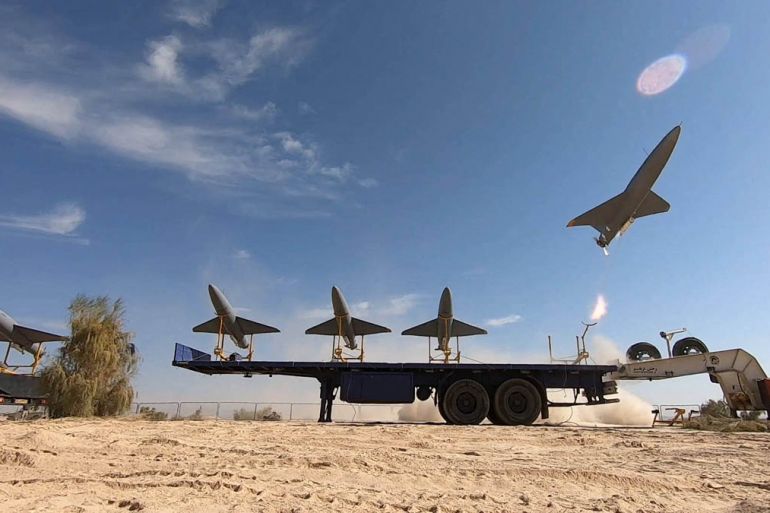
According to Stabil.az, this expertise is now drawing increasing attention from Middle Eastern countries, where security tensions have sharply escalated.
Following large-scale military operations launched by the United States and Israel against Iran on February 28, Ukraine dispatched expert teams to the region. These groups were sent in particular to Saudi Arabia, Qatar, and the United Arab Emirates to share knowledge and explore defense cooperation.
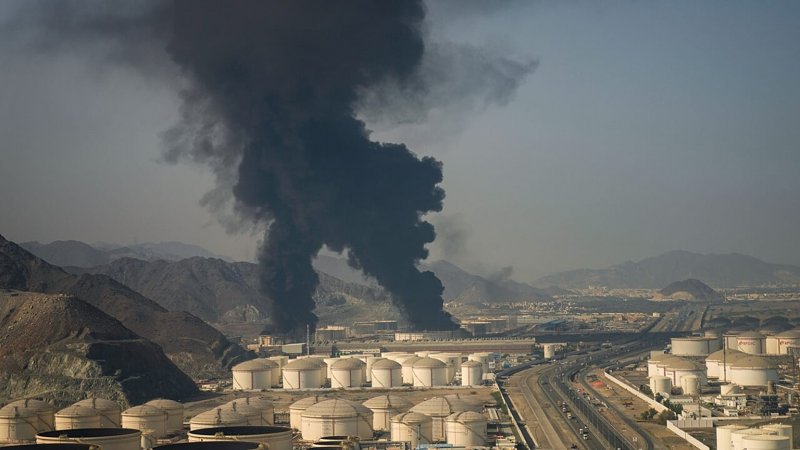
The growing interest is closely tied to Iran’s intensified use of drones. After the US and Israeli strikes, Tehran began carrying out large-scale UAV attacks on energy infrastructure and strategic facilities across the Persian Gulf. This has significantly increased demand for effective and affordable counter-drone systems.
Although Gulf states possess advanced air defense systems such as the US-made Patriot, they have faced difficulties in countering Iran’s extensive fleet of Shahed drones. These Iranian-made UAVs are relatively simple, low-cost, and designed as one-way “kamikaze” weapons that strike targets by crashing into them.

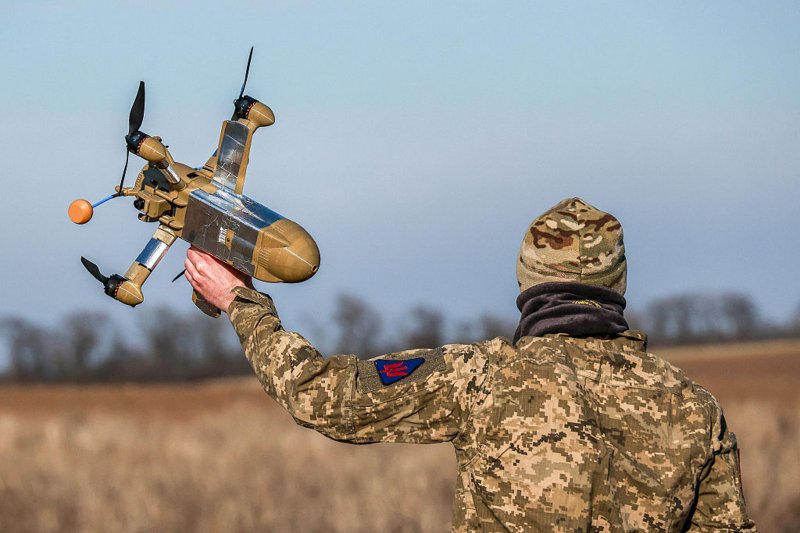
Russia, an ally of Iran, has been using Shahed drones extensively in its war against Ukraine. As a result, Ukraine has been forced to innovate under pressure, developing cost-effective solutions such as interceptor drones and electronic jamming systems to counter these threats.
This battlefield experience has now become a strategic asset for Ukrainian President Volodymyr Zelensky. At a time when Ukraine is under mounting military pressure and facing calls from the United States to consider unfavorable ceasefire terms, its technological know-how provides an additional diplomatic advantage.
Zelensky has stated that US defense companies and President Donald Trump have shown interest in acquiring Ukrainian anti-drone technologies. He also noted that more than 10 countries across Europe and the Middle East have approached Ukraine seeking assistance to strengthen their air defense capabilities.
In response, Kyiv has sent military specialists to the Gulf region to provide consultations on countering drone attacks and to discuss potential equipment sales.
Interest is also coming from Israel. According to The Kyiv Independent, Israeli Prime Minister Benjamin Netanyahu has requested talks with Zelensky to explore cooperation in counter-drone defense technologies.
Ukraine has signaled its readiness to share both technology and operational experience in countering Iranian drones as part of long-term partnerships. In return, Kyiv is seeking financial support as well as access to advanced technologies.
“Today, both technology and finance are important for us,” Zelensky emphasized.
Iran’s Shahed drones have emerged as one of the defining weapons of contemporary warfare, and Ukraine has spent years studying how to counter them effectively. Shortly after Russia launched its full-scale invasion in 2022, it began large-scale production and deployment of these drones, targeting cities, energy facilities, and military infrastructure.

Equipped with explosive payloads and programmed to detonate upon impact, these drones are often referred to as “kamikaze drones.” Their relatively low production cost allows them to be deployed in large numbers, overwhelming traditional air defense systems.
Ukrainian officials report that Russia has launched tens of thousands of such drones since the war began. Even with around 10 Patriot systems, Ukraine has been unable to intercept all incoming threats, forcing it to develop alternative solutions.
In response, Ukraine has built a multi-layered defense system that integrates radar detection, electronic warfare, and mobile air defense units armed with machine guns and anti-aircraft weapons.
At the same time, Ukrainian forces have developed specialized interceptor drones capable of tracking and destroying incoming UAVs mid-air. This cost-effective and adaptable approach is now attracting growing interest worldwide, particularly in the Middle East, where countries are seeking practical solutions to counter large-scale drone threats.
Stay updated with the latest news Follow us on Google Subscribe
About
Contact