About
About Contact
Costa’s visit to Azerbaijan signals new phase in strategic cooperation
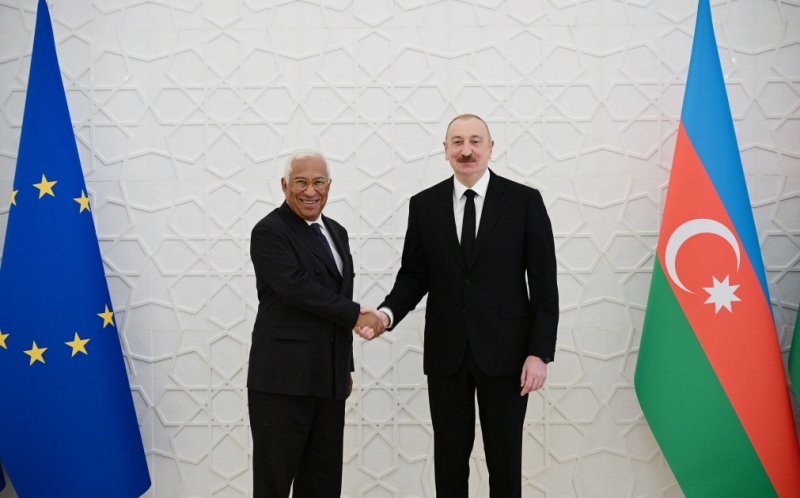


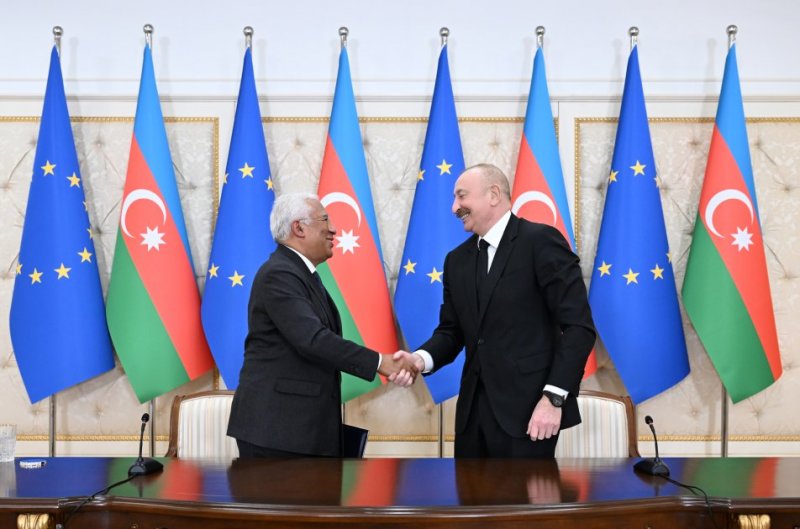
On March 11, 2026, Antonio Costa, President of the European Council, paid a visit to Azerbaijan. During the visit, Costa held a one-on-one meeting with Azerbaijani President Ilham Aliyev in Baku, after which the two leaders delivered joint statements to the press.
According to Stabil.az, the visit of a high-ranking European official to the Azerbaijani capital comes at a time when geopolitical dynamics in the region are intensifying.
The trip has drawn attention not only for its diplomatic significance but also for its potential impact on key areas such as energy security, economic cooperation and regional stability. The partnership between Azerbaijan and the European Union, which has steadily developed in recent years, may enter a new stage following this visit.
Azerbaijan holds a strategically important position in international affairs due to its geographic location between Europe and Asia, as well as its energy resources and transport corridors. The EU has repeatedly emphasized its interest in strengthening stability and expanding economic cooperation across the region. In this context, Costa’s visit to Baku is widely viewed as an opportunity to deepen dialogue and broaden cooperation between the two sides.
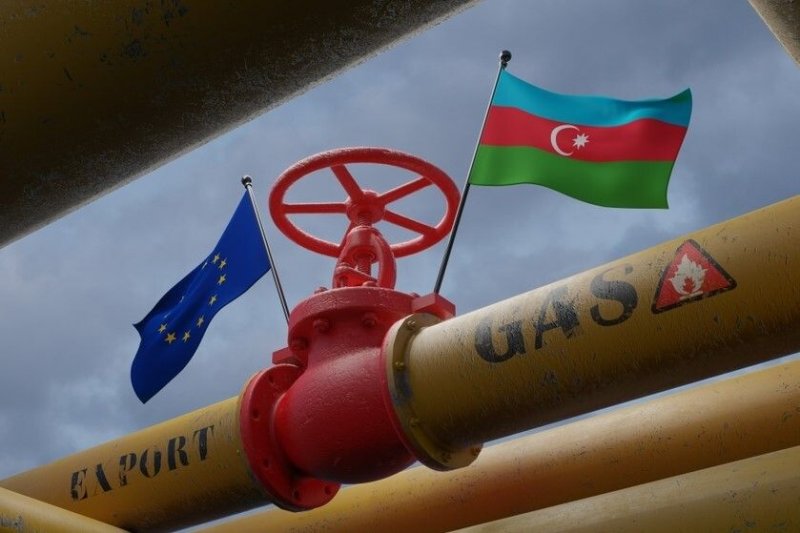
In recent years, Europe’s energy security has become one of the most pressing issues on the global political agenda. Against this backdrop, Azerbaijan has emerged as a reliable energy partner for Europe. The country’s significant gas reserves and developed energy infrastructure in the Caspian Sea basin play a key role in Europe’s strategy to diversify energy supplies. One of the most important projects in this regard is the Southern Gas Corridor, which delivers Azerbaijani natural gas to European markets and contributes to strengthening the continent’s energy security.
During the press statements, Costa also highlighted the importance of the energy partnership between Azerbaijan and the EU.
“Today, the war in Iran is shaking world energy markets, and in this context our energy partnership is more important than ever,” Costa said. “The EU is ready to attract investment to support Azerbaijan’s energy transition agenda. Our renewable energy sector and companies from across the continent can also play an active role in this process.”
Another key topic discussed during the visit was transport and logistics cooperation. Azerbaijan serves as one of Eurasia’s major transport hubs. In particular, the Trans-Caspian International Transport Route has gained growing importance as a fast and alternative trade route linking Europe and Asia. The corridor stretches from China through Central Asia and the Caspian Sea to Azerbaijan, Georgia and Türkiye, before reaching European markets.
“The development of the Middle Corridor offers strategic opportunities,” Costa said. “The completion of the Baku–Nakhchivan railway project is also a very important element. This will create a sustainable route between Europe and Asia. We share Azerbaijan’s vision of a prosperous and interconnected South Caucasus.”
The European Union has shown increasing interest in the development of this corridor, as it is viewed as an important route for diversifying global trade flows. Azerbaijan, for its part, plays a central role in the initiative by modernizing its infrastructure and expanding its logistics capacity.
Negotiations on a new partnership agreement between Azerbaijan and the EU were also discussed as part of the visit. The proposed agreement aims to deepen political dialogue, strengthen economic ties and expand cooperation across multiple sectors.
Overall, the visit by the European Council president to Azerbaijan represents an important step toward strengthening the strategic partnership between the two sides. Expanding collaboration in areas such as energy, transport, trade and security could provide significant mutual benefits for both Azerbaijan and the EU.
The visit once again highlights Azerbaijan’s role as a key partner for Europe and underscores its strategic importance in promoting regional stability, energy security and economic development. Cooperation between the two sides is expected to continue expanding, with new initiatives and joint projects likely to emerge in the future.
Stay updated with the latest news Follow us on Google Subscribe
-
 28 SEP 2026 17:58
 -
 28 SEP 2026 17:25
 -
 28 SEP 2026 16:36
 -
 28 SEP 2026 15:52
 -
 28 SEP 2026 15:16
 -
 28 SEP 2026 14:49
 -
 28 SEP 2026 14:22
 -
 28 SEP 2026 13:58
 -
 28 SEP 2026 13:36