About
About Contact
Ceasefire in sight: Pakistan hosts crucial US-Iran dialogue
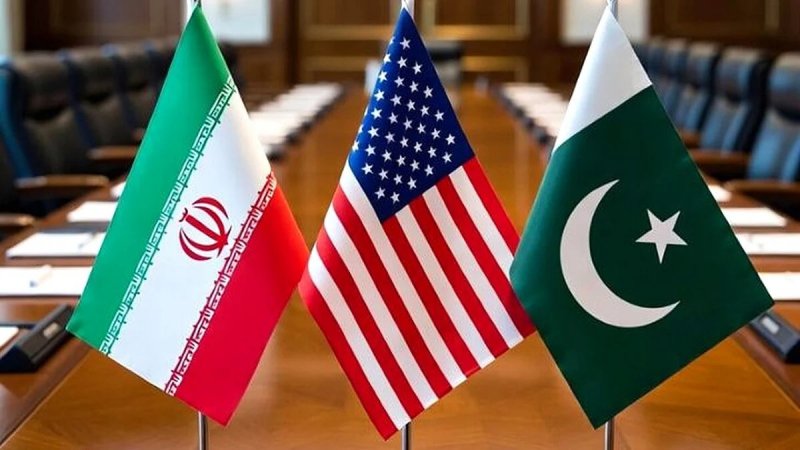


On April 8, Pakistani Prime Minister Shahbaz Sharif announced that, following his government’s mediation, the United States and Iran, along with their allies, had agreed to a ceasefire.
According to Stabil.az, Pakistan has now emerged as a global focal point for diplomacy, playing a central role in facilitating a temporary halt to hostilities in the Middle East and hosting talks between Washington and Tehran.
So, why has Pakistan become a credible mediator between these two historically adversarial nations?
Pakistan’s efforts to mediate a potential ceasefire and provide Islamabad as a platform for US-Iran negotiations mark one of the most notable developments in recent international politics. This initiative carries significant implications not only for regional security but also for global stability.
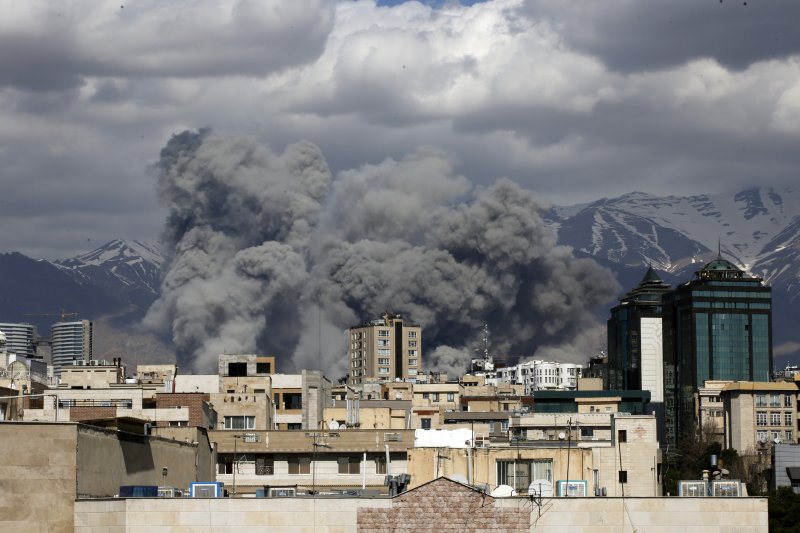
In recent years, US-Iran relations have been severely strained, and recent developments in the Middle East have only deepened the divide. Against this backdrop, the need for dialogue through a neutral third-party mediator became urgent. Pakistan’s diplomatic intervention has emerged precisely at this critical juncture. With established relations—albeit limited—with both Washington and Tehran, Islamabad is uniquely positioned to bridge the gap.
It is no coincidence that Pakistan has assumed the role of mediator. Historically, the country has been an important political actor in the Islamic world while maintaining working relationships with Western powers. This balanced foreign policy gives Pakistan the credibility necessary to gain the trust of both sides. Moreover, Pakistan’s vested interest in regional stability motivates its proactive diplomatic engagement.
The proposal to host negotiations in Islamabad further strengthens Pakistan’s mediating role. By offering the capital as a neutral venue, Pakistan provides a platform that can foster trust between the parties. A geographically secure and politically neutral environment is one of the fundamental prerequisites for successful diplomacy, and Islamabad fits this requirement effectively.
The ceasefire initiative also serves broader strategic objectives. A direct military confrontation between the US and Iran would not only threaten both nations but could destabilize the entire region. Consequences such as energy market disruption, escalation of regional conflicts, and humanitarian crises underscore the stakes. In this context, Pakistan’s intervention holds significant diplomatic, humanitarian, and economic relevance.
Additionally, Pakistan’s mediation can be seen as an effort to enhance its standing on the international stage. A successful initiative would position Islamabad as a proactive and reliable actor in global diplomacy, with potential long-term benefits for both its political influence and economic partnerships.
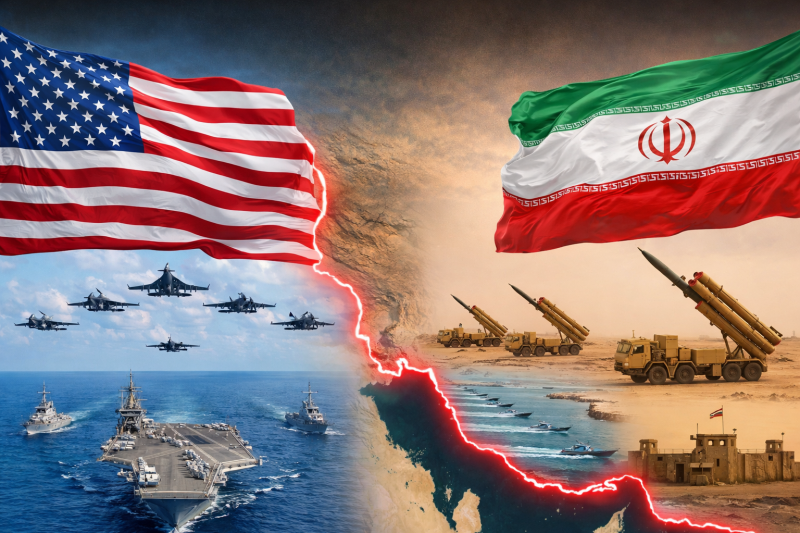
Nevertheless, this process faces notable challenges. Deep-rooted distrust between the US and Iran may be difficult to overcome in the short term. Domestic political pressures in both countries, particularly from hard-line factions, could also limit the scope for compromise and complicate negotiations.
The perspectives of other regional and global actors will also shape the outcome. Major powers and countries with vested interests in the Middle East may be directly impacted by the ceasefire talks, adding further complexity to Pakistan’s diplomatic endeavor. Therefore, the initiative must be viewed within a broader geopolitical framework, not solely as a bilateral US-Iran engagement.
Pakistan’s efforts to facilitate a ceasefire and host talks in Islamabad represent a significant diplomatic move. While the ultimate success of this initiative remains uncertain, the very act underscores the importance of dialogue and mediation in resolving international conflicts. In the context of ongoing tensions, Pakistan’s approach provides a valuable platform for peaceful conflict resolution and contributes to the pursuit of global stability.
Stay updated with the latest news Follow us on Google Subscribe
-
 28 SEP 2026 17:58
 -
 28 SEP 2026 17:25
 -
 28 SEP 2026 16:36
 -
 28 SEP 2026 15:52
 -
 28 SEP 2026 15:16
 -
 28 SEP 2026 14:49
 -
 28 SEP 2026 14:22
 -
 28 SEP 2026 13:58
 -
 28 SEP 2026 13:36