2026 Winter Olympics: How much did they cost?
17 February 2026 15:12   17 Feb 2026 16:00 Share

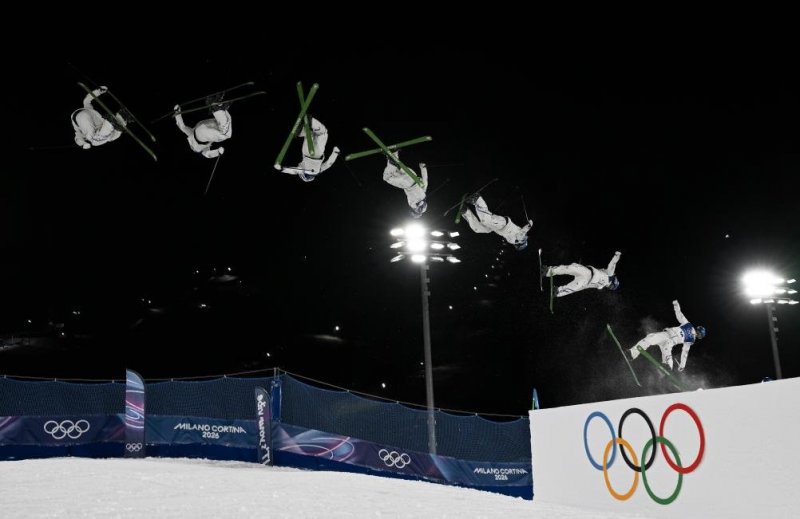
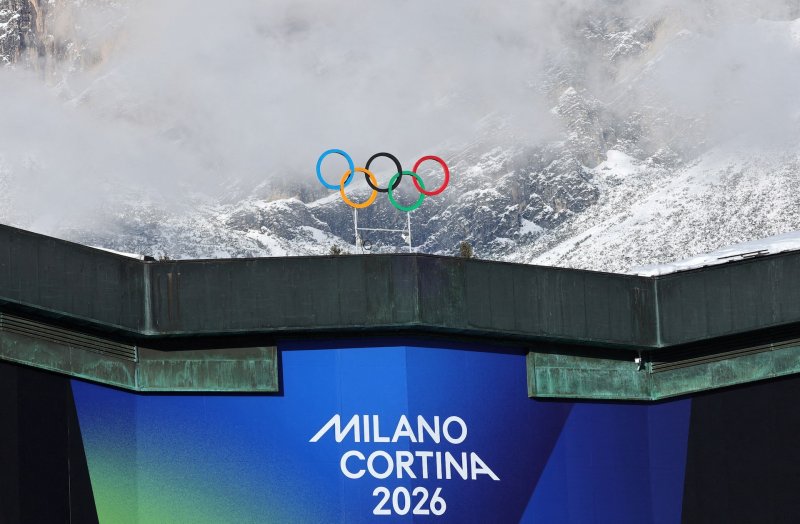
Italy is hosting the 2026 Winter Olympics from February 6 to 22, marking a historic edition of the Games. For the first time, the event has two official capitals: Milan, which is debuting as an Olympic host city, and Cortina d’Ampezzo, returning to the global stage 70 years after hosting the 1956 Winter Games.

According to “Stabil.az,” the 2026 Winter Olympics have gone down in history as the largest-scale Winter Games ever held in terms of geographic scope. The total area of the Olympic zone exceeds 22,000 square kilometers. Competitions are spread across several mountain ranges and multiple locations, including the major cities of Milan and Verona, as well as the resort areas of Cortina d’Ampezzo (Veneto), Valtellina (Lombardy), and Val di Fiemme (Trentino-Alto Adige).

Total Cost: $6.1 Billion

Despite their vast geographical footprint, these Olympics are considered the least expensive Winter Games of the 21st century when adjusted for inflation.

The total cost currently stands at $6.1 billion.

  • $4.1 billion comes from public funding allocated to infrastructure development.

  • $2 billion is privately funded and covers the organization and operational aspects of the Games.

  • Only 15% of the total budget has been spent directly on competition venues and sports-related projects.

For comparison, the 2022 Winter Olympics in Beijing cost approximately $46.6 billion, making Milan–Cortina 2026 dramatically less expensive by contrast.

Italy and Western Europe are hosting the Winter Olympics for the first time since the 2006 Games in Turin. Adjusted for inflation, Turin 2006 cost about $6.3 billion—slightly more than the 2026 edition.

News about -   2026 Winter Olympics: How much did they cost?

Lessons from Turin 2006

The legacy of the Turin Olympics remains mixed. The city accumulated more than $1 billion in debt, which it struggled to repay for years. However, the Games also transformed Turin’s international image. Once known primarily as an industrial city heavily dependent on Fiat, it evolved into a recognized gastronomic and cultural center.

Experts suggest Milan is unlikely to face a similar financial burden. The organizing committee deliberately avoided large-scale new construction and prioritized the use of existing facilities.

Key Venues and Infrastructure Spending

The opening ceremony was held at San Siro Stadium in Milan, one of Italy’s most iconic sporting arenas. Figure skating and short track events are taking place at the Milan Forum, originally built in 1990. The media center is located at the Exhibition Center, which is also hosting speed skating and hockey competitions.

The most expensive newly built venue is the Ice Palace, constructed at a cost of approximately €300 million. After the Games, it will be converted into a sports and entertainment complex.

The Olympic Village required around €140 million in investment.

Outside Milan, the most costly facility is the toboggan run in Cortina d’Ampezzo, which cost €118 million to build.

By relying heavily on pre-existing infrastructure, organizers significantly reduced capital expenditures compared to previous Olympics.

Will the 2026 Games Pay for Themselves?

According to a study by Italian bank Banca Ifis, the 2026 Winter Olympics may become the first Games of the 21st century to fully pay for themselves.

Although the 2022 Beijing Olympics officially reported a profit of $52 million, that figure was based on a declared budget of $2.3 billion and excluded broader infrastructure and construction costs. In reality, total spending exceeded $30 billion.

For Milan–Cortina 2026, projected revenues are estimated at €5.3 billion, broken down as follows:

  • €1.2 billion from additional tourism revenues

  • €3 billion attributed to infrastructure modernization

  • Additional income from broadcasting rights and sponsorship agreements managed by the International Olympic Committee, which are not included in the above total

If these projections materialize, the Games could set a new financial benchmark.

Why Is the IOC Reducing Olympic Costs?

The IOC consistently emphasizes the long-term legacy of the Olympics, but history shows that host cities often incur heavy financial burdens.

The 1976 Montreal Olympics plunged the city into decades of debt, which was only fully repaid 30 years later. Athens (2004), Rio de Janeiro (2016), and other host cities also faced serious economic strain.

Between 2008 and 2014, the two most expensive Winter Olympics in history were held:

  • Beijing 2008 (Summer Games) exceeded $40 billion.

  • Sochi 2014 surpassed $50 billion.

Since 2020, Olympic budgets have consistently exceeded $20 billion. Before 2008, however, total costs rarely reached that level. In fact, the combined cost of the Olympics held between 1996 and 2006 roughly equals the expenditure of Sochi 2014 alone.

News about -   2026 Winter Olympics: How much did they cost?

Reforming the Bidding Process

After 2010, the IOC began facing widespread rejections during host city elections. Since 2013, ten cities that had initially planned to compete for the 2022, 2024, 2026, and 2028 Games withdrew their bids, primarily due to financial concerns.

This situation forced the IOC to implement structural reforms.

In 2019, the selection procedure for host cities was overhauled:

  • Expensive bidding campaigns were abandoned.

  • The restriction on hosting events in multiple cities or regions was lifted.

  • The requirement to select a host city seven years in advance was removed.

Previously, bidding campaigns alone cost between $50–100 million per city. These expenses included design work, consulting, audits, promotional events, and hosting IOC delegations.

For example:

  • Tokyo spent $150 million on an unsuccessful 2016 bid.

  • It spent about $75 million on its successful 2020 bid.

  • Toronto withdrew from its 2024 bid after failing to secure $60 million for the campaign.

Under the new system, host cities are chosen based largely on the availability of permanent or temporary sports facilities and existing infrastructure. This approach significantly reduces unnecessary construction and post-Games “white elephant” venues that often fall into disuse.

A New Model for the Olympics?

The Milan–Cortina 2026 Winter Olympics appear to represent a new model: geographically dispersed, infrastructure-efficient, and financially restrained.

With a total cost of $6.1 billion—far below the mega-spending era of Beijing and Sochi—the Games may signal a turning point in Olympic economics. Whether they truly become the first fully self-sustaining Olympics of the 21st century will depend on final revenue figures and long-term legacy outcomes.

For now, Milan–Cortina 2026 stands as one of the most cost-conscious Olympic editions in modern history.


Stabil.Az 

Stay updated with the latest news Follow us on Google Subscribe