About
About Contact
Why gold’s record rally reflects a fracturing global order
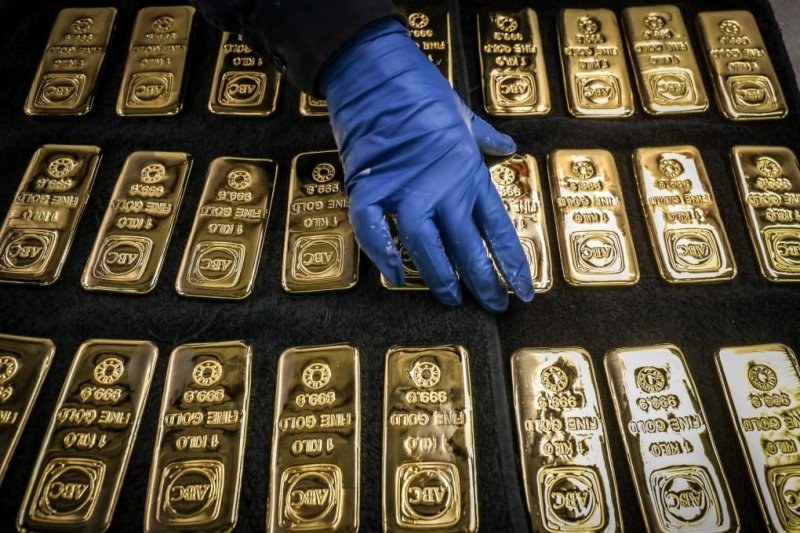


Gold’s surge past $5,000 per ounce is not just a market headline—it is a signal. When April futures on the COMEX exchange touched $5,020, the speed of the move was as striking as the level itself: a jump from $4,000 to $5,000 in just three months. Such a rapid ascent rarely reflects a single catalyst. Instead, it points to deeper structural anxieties embedded in today’s global economy.
This rally has forced investors and policymakers alike to revisit an old question with renewed urgency: what exactly is gold pricing in right now?
A vote of no confidence in stability
At its core, gold’s rise is a referendum on uncertainty. Over the past year, prices have climbed by more than 64 percent, a pace that far exceeds what can be explained by inflation hedging alone. The metal’s performance reflects growing doubts about geopolitical stability, monetary credibility, and the durability of the post–Cold War economic order.
Escalating tensions in the Middle East and Eastern Europe have reintroduced hard security risks into global markets. Unlike equities or bonds, gold does not depend on earnings growth, fiscal discipline, or political continuity. Its appeal rises precisely when confidence in those foundations weakens. The current rally suggests that investors increasingly see geopolitical risk not as a temporary disturbance, but as a persistent condition.
Monetary policy as an accelerant, not the root cause
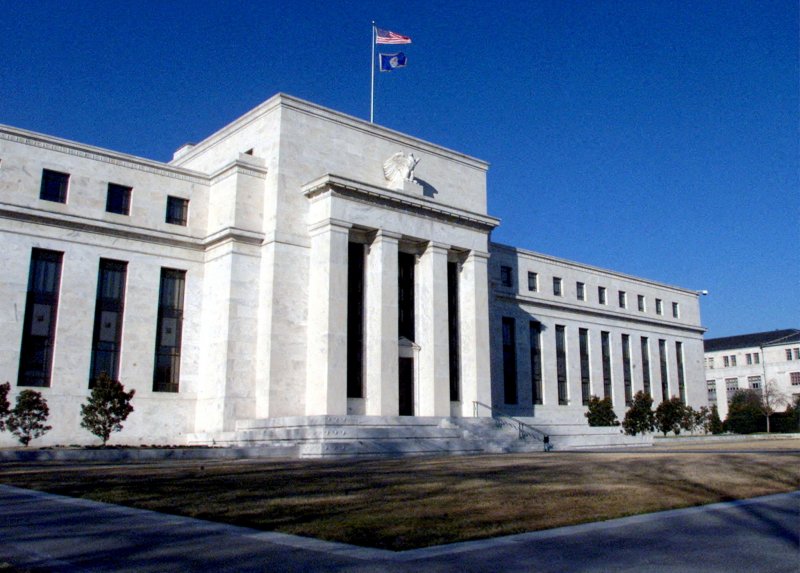
The shift in policy by the US Federal Reserve has amplified this trend. As the Fed entered a new phase of interest rate cuts, the relative attractiveness of yield-bearing dollar assets diminished. Historically, lower rates reduce the opportunity cost of holding gold, which offers no income but preserves value.
Yet it would be a mistake to view monetary easing as the primary driver of gold’s rise. Rate cuts explain why gold is competitive—but not why demand has surged so aggressively. The deeper issue is credibility: markets are increasingly skeptical that central banks can simultaneously manage inflation, debt sustainability, and financial stability without long-term consequences. Gold benefits when that skepticism hardens.
Central banks are no longer neutral players
Perhaps the most consequential development behind gold’s rally is the behavior of central banks themselves. For years, official institutions were largely passive holders of gold. That has changed. Many central banks—particularly in emerging and non-aligned economies—are actively increasing gold reserves to diversify away from the dollar.
This is not a short-term trade; it is a strategic shift. As confidence in fiat currencies erodes and financial sanctions become a more common geopolitical tool, gold is being reasserted as a neutral reserve asset—one that carries no counterparty risk. This trend alone creates a structural floor under prices and supports the argument that gold’s strength may persist well beyond the current cycle.
Geopolitics feeds volatility—and premiums
Recent political shocks have added fuel to the rally. Events such as the US operation in Venezuela and former US President Donald Trump’s statements regarding Greenland may seem disconnected from commodity markets at first glance. But collectively, they reinforce a broader perception: that power politics is back, norms are weakening, and unpredictability is rising.
Gold prices tend to incorporate a “risk premium” during such periods. When uncertainty becomes systemic rather than episodic, that premium can remain embedded for years.
Bubble, break, or base?
Unsurprisingly, opinions diverge sharply on where gold goes next. Optimists argue that the same forces driving today’s rally remain intact—and may even intensify. Some forecasts point to a near-term move toward $5,600–$5,800 per ounce, followed by consolidation. In the longer run, more aggressive projections envision prices doubling to $10,000–$12,000, particularly if central banks continue to accumulate gold at scale.
Skeptics counter that the speed of the rally itself is a warning sign. From this perspective, the move toward $5,000 has a speculative dimension, driven by momentum and positioning rather than fundamentals alone. If geopolitical tensions ease or economic confidence stabilizes, gold could retreat—possibly toward the $4,000 level—without undermining its long-term role.
Both views have merit. What matters is not whether gold corrects, but whether the underlying drivers reverse. So far, there is little evidence they are doing so.
What gold is really telling us
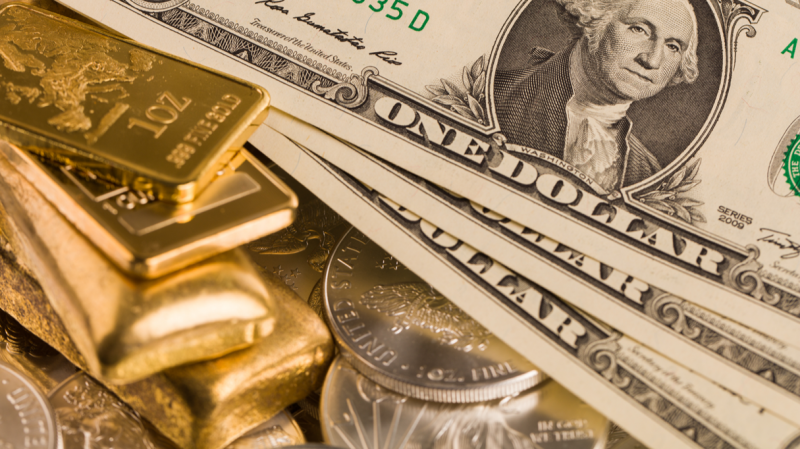
Gold’s record highs are less about enthusiasm for the metal itself and more about unease with the global system it reflects. Markets are signaling doubts about political stability, monetary orthodoxy, and the future balance between fiat currencies and real assets.
Short-term volatility is inevitable. Corrections will come. But the broader message is clear: gold is once again functioning as a barometer of systemic risk. As long as geopolitical fragmentation deepens, monetary policy remains stretched, and central banks seek alternatives to dollar dominance, gold is likely to remain not just relevant—but central—to global financial thinking.
In that sense, the $5,000 milestone is not the end of the story. It is a marker of how profoundly the world economy has changed—and how uncertain investors believe the road ahead remains.
Stay updated with the latest news Follow us on Google Subscribe
-
 28 SEP 2026 17:58
 -
 28 SEP 2026 17:25
 -
 28 SEP 2026 16:36
 -
 28 SEP 2026 15:52
 -
 28 SEP 2026 15:16
 -
 28 SEP 2026 14:49
 -
 28 SEP 2026 14:22
 -
 28 SEP 2026 13:58
 -
 28 SEP 2026 13:36