About
About Contact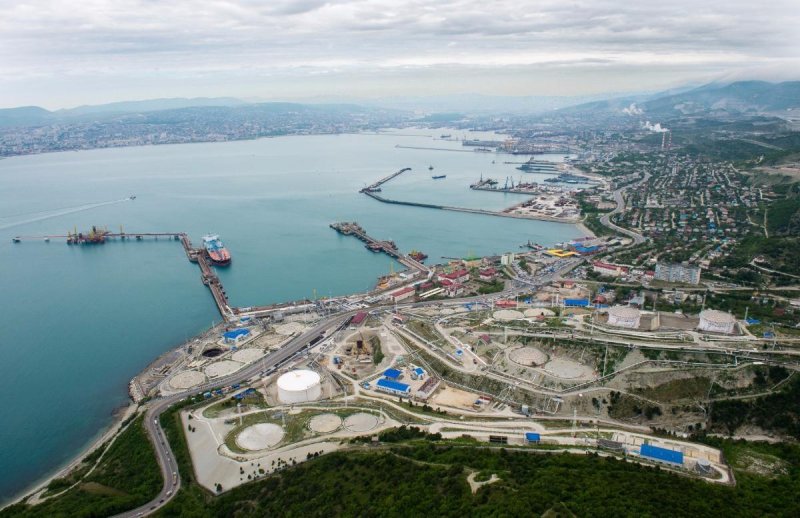


According to Stabil.az, the ongoing war between Russia and Ukraine has extended far beyond the territorial boundaries of the two countries, producing spillover effects across the wider region. Reports have indicated that Russian drones violated the airspace of Poland and Moldova and fell within their territories, while commercial vessels operating in the Black Sea have also come under attack. Beyond its direct humanitarian and social consequences, the Russia–Ukraine war has disrupted economic activity, undermined trade flows, and inflicted damage on the economic infrastructure of multiple countries.
Kazakhstan is among the states that have experienced tangible economic consequences as a result of this conflict, which has remained in an active phase since 2022.
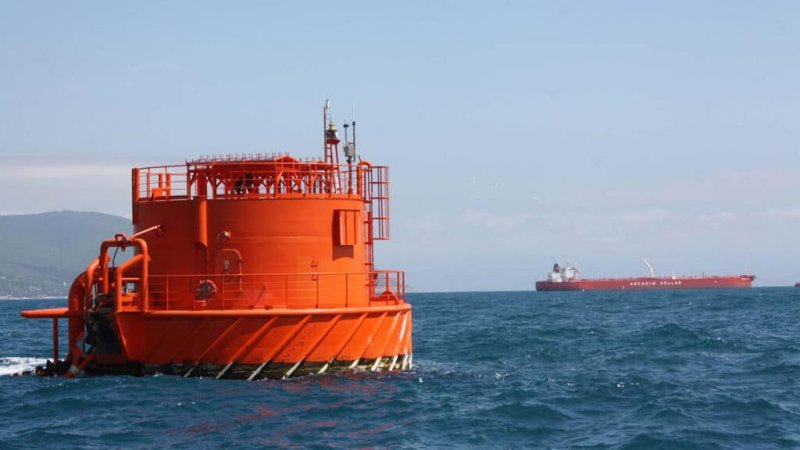
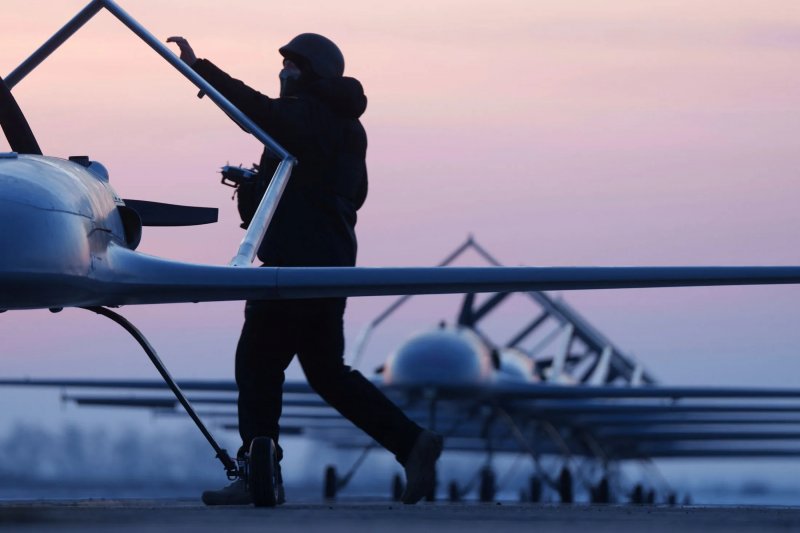
In November of last year, unmanned aerial vehicles operated by the Ukrainian Armed Forces struck oil tankers near facilities of the Caspian Pipeline Consortium (CPC), which transports crude oil from Kazakhstan’s Tengiz field to the Novorossiysk terminal on Russia’s Black Sea coast. The attack damaged both infrastructure elements and the administrative building of the marine terminal. Although oil loading operations resumed the following day, authorities decided to dismantle the collapsed bridge as a precautionary measure.
Further incidents occurred in January of this year, when UAVs targeted the Delta Harmony and Matilda tankers. The attack on the Delta Harmony resulted in a fire, while an explosion was recorded on board the Matilda tanker, though no subsequent fire was reported.
According to Kazakhstan’s Energy Minister, Erlan Akkenzhenov, the attacks on CPC-related facilities resulted in losses of approximately 3.8 million tons in Kazakhstan’s oil exports. The minister stated that the temporary suspension of operations at the Tengiz and Korolevskoye fields, following the tanker attacks, led to the loss of around 1 million tons of oil production. He also emphasized that insurance costs for vessels operating near the consortium’s facilities rose sharply in the aftermath of the incidents.
At the same time, Akkenzhenov stressed that the attacks did not disrupt the direct loading of oil. He noted that the Matilda and Delta Harmony tankers did not belong to the so-called “shadow fleet,” as their ownership and identity were clearly established.
From a broader perspective, attacks on energy infrastructure serve multiple objectives for the parties involved in a conflict. They are intended to inflict economic damage, generate instability in international markets, and exert political pressure on both adversaries and third-party states. In this context, the attacks on tankers linked to Kazakhstan should be viewed not merely as isolated regional incidents, but as part of a wider geopolitical landscape shaped by strategic signaling and economic leverage.
These developments also highlight the emergence of new and complex risks within the regional security environment. For Kazakhstan—whose economy relies heavily on energy exports—such incidents represent not only a security challenge, but also a test of economic resilience and reliability in global energy markets.
Kazakhstan ranks among the world’s leading oil producers, with the bulk of its exports transiting through the Caspian Sea and Russian territory. Even limited or localized attacks on tankers are sufficient to raise serious concerns regarding the safety and stability of these routes. In global energy markets, heightened risk perceptions translate into increased price volatility, higher insurance premiums, and potential logistical disruptions.
The immediate consequences of such attacks include temporary suspensions of tanker operations, delays in cargo deliveries, and the need to explore alternative export routes. Beyond these operational effects, the issue of reliability becomes increasingly significant for importing countries and international energy companies. In an environment of persistent risk, long-term supply contracts may come under renegotiation, and export diversification may gain greater prominence. For Kazakhstan, this would entail not only potential revenue losses but also the need for intensified diplomatic engagement with key partners.
On a global level, attacks on energy transport infrastructure exert a strong psychological impact on oil markets. Even in the absence of a substantial reduction in physical supply, elevated risk expectations alone can drive price increases and market instability.
Under these conditions, Kazakhstan may be compelled to reassess its energy security strategy. Measures such as strengthening tanker protection, expanding international security cooperation, and diversifying export corridors are likely to become strategic priorities. In parallel, closer coordination with regional organizations and international partners will be essential to mitigating emerging risks and maintaining market confidence.
Overall, these developments underscore the systemic nature of modern warfare’s impact on the energy sector. Energy security has evolved beyond a purely economic concern and now constitutes a core element of both national and international security. The attacks on tankers associated with Kazakhstan further confirm this reality and highlight the need for more rigorous risk assessment and strategic planning in global energy markets in the period ahead.